-
Garden Nostalgia
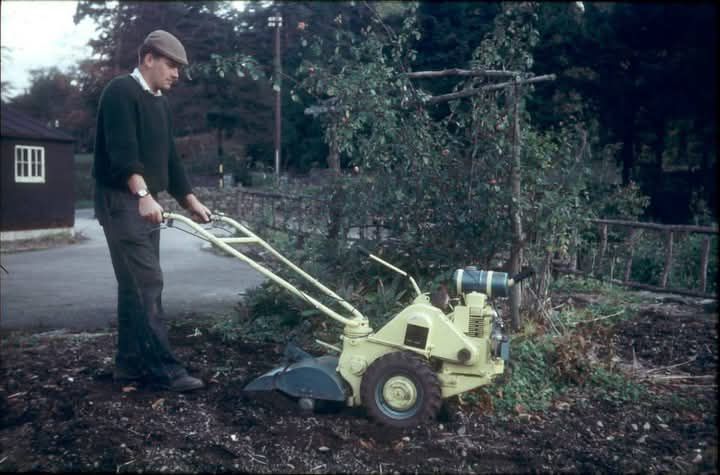
Over the last 5 months, I’ve become involved with our local community garden and it really has brought back so many memories.
My dad, who sadly developed Alzheimer’s and passed away some years ago, for most of his life was a market Gardner and Nurseryman. He did it part-time whilst he had a growing family and then later full-time until he sold the business and retire in his mid 50’s.
During my childhood every weekend was spent in the garden. His place was beautifully situated in a shabby neglected Victorian walled garden and he gradually restored some of it and installed modern green house where they couldn’t be saved.
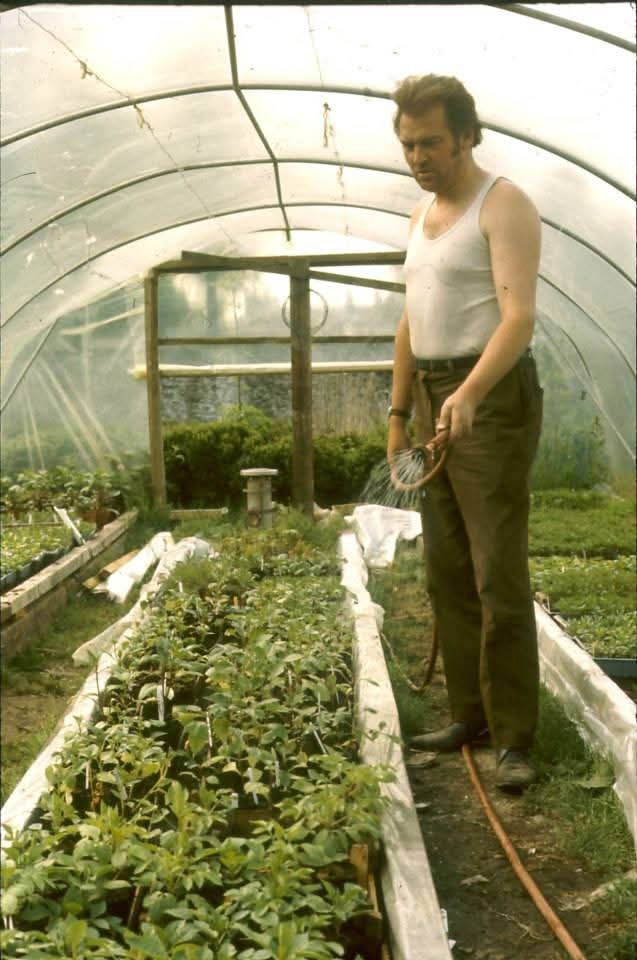
it was magical for children with lots of nooks and crannies to hide in, although nowhere near modern safety standards. We drank water from a spring fed system that was barely potable, played in mud, and ate berries and fruit straight from the tree. There were a lot of ‘minor’ injuries too, including falling into a nettle patch!(not me).
The reason all these memories have come back is that I have been using all the propagating and planting skills my dad taught me from a very early age. Sowing seeds, potting up seedlings, taking cuttings, all those skills came straight back.
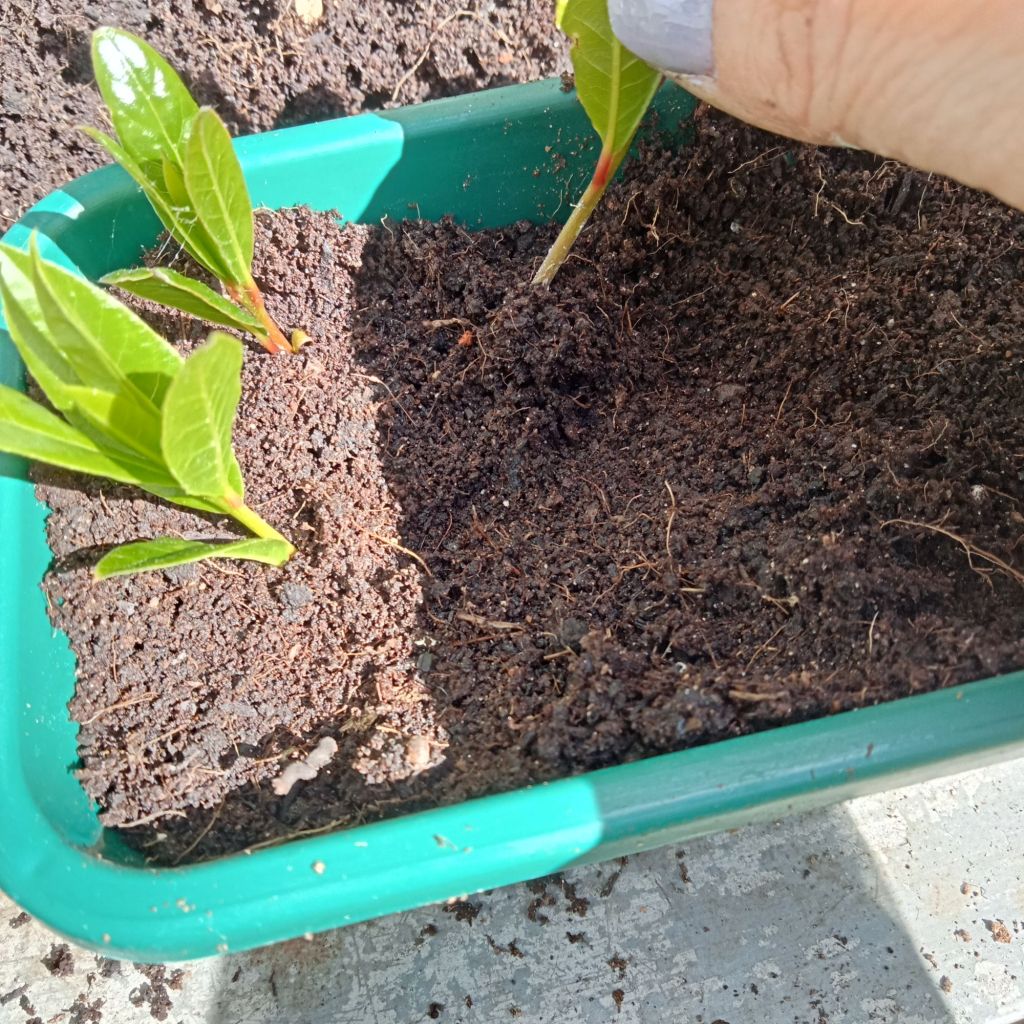
My problem is that as soon as plants were ready to sell, they went, so I have very few after care skills but my fellow community gardeners are teaching me new skills. And I get to use my skills teaching another generation the joy of gardening.
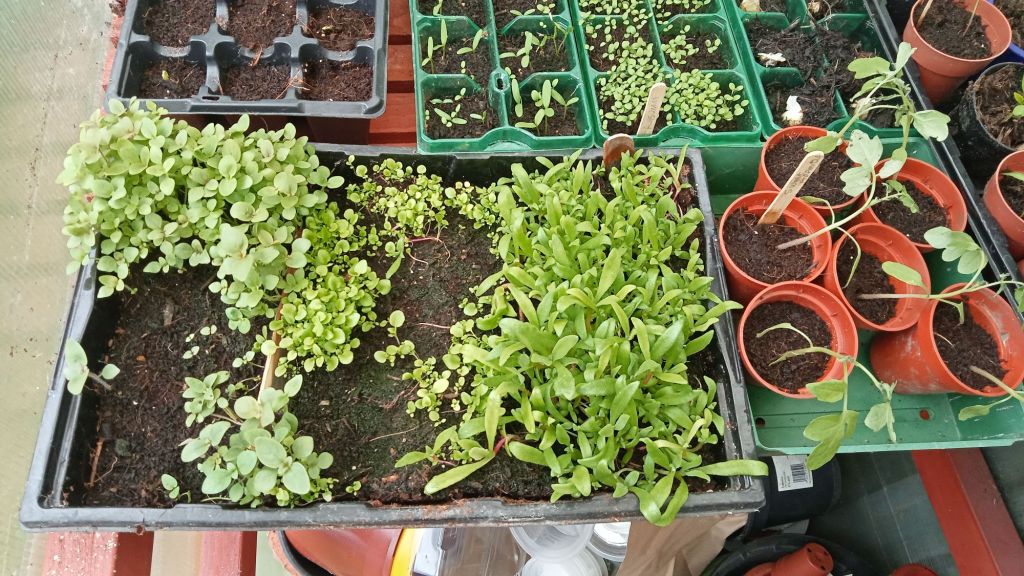
The aim of our garden is to demonstrate that it can be easy to grow your own food and flowers in a way that benefits you and the environment, we want to educate and inform by showing people how to make the most of their space however big or small.
I’ll keep you updated on how our garden progresses but here’s the story so far.
In the future, we hope to be self financing but we have born a lot of the cost so far. We are looking for sponsors, both individuals and businesses. If you would like to help us, please email us with the word sponsor in the subject:
elswickcommunitygardens@gmail.com
Thank You
-
Grandmacore
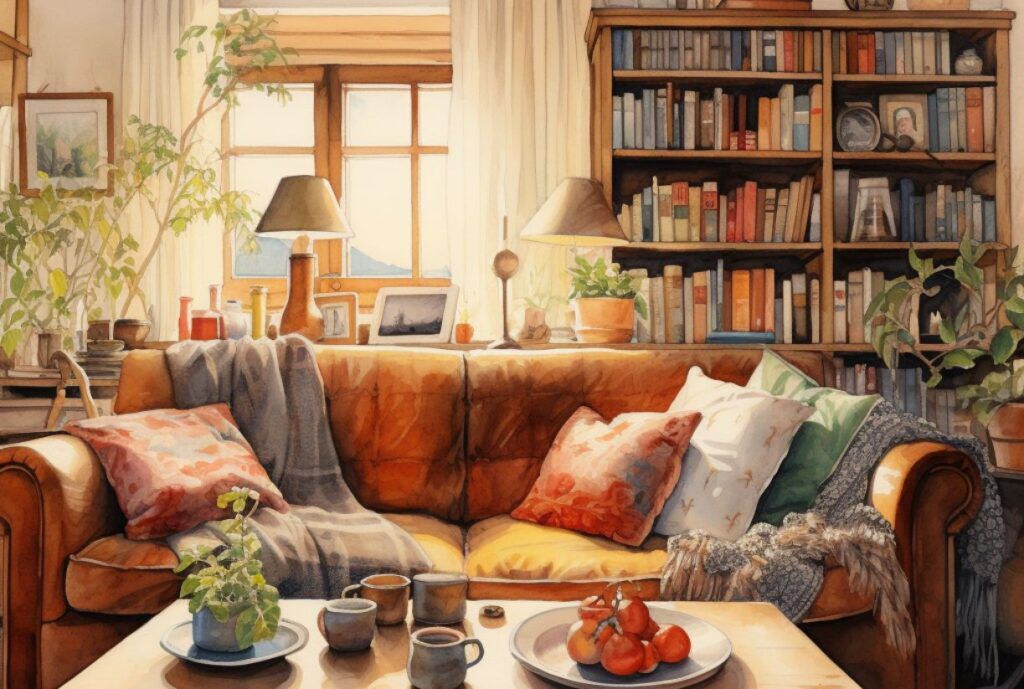
Have you heard of grandmacore? If you Crochet sew, knit, and bake (like me ), then you already live a grandmacore lifestyle.
Grandmacore in the UK, also known as “granny chic,” is a trend embracing the comfortable, whimsical, and nostalgic. Think handmade cushions and blankets, freshly baked cakes and biscuits, junkshop finds lovingly restored or repurposed. In fact, if you are a craft addict like me, you probably are already living the grandmacore life without realising it.
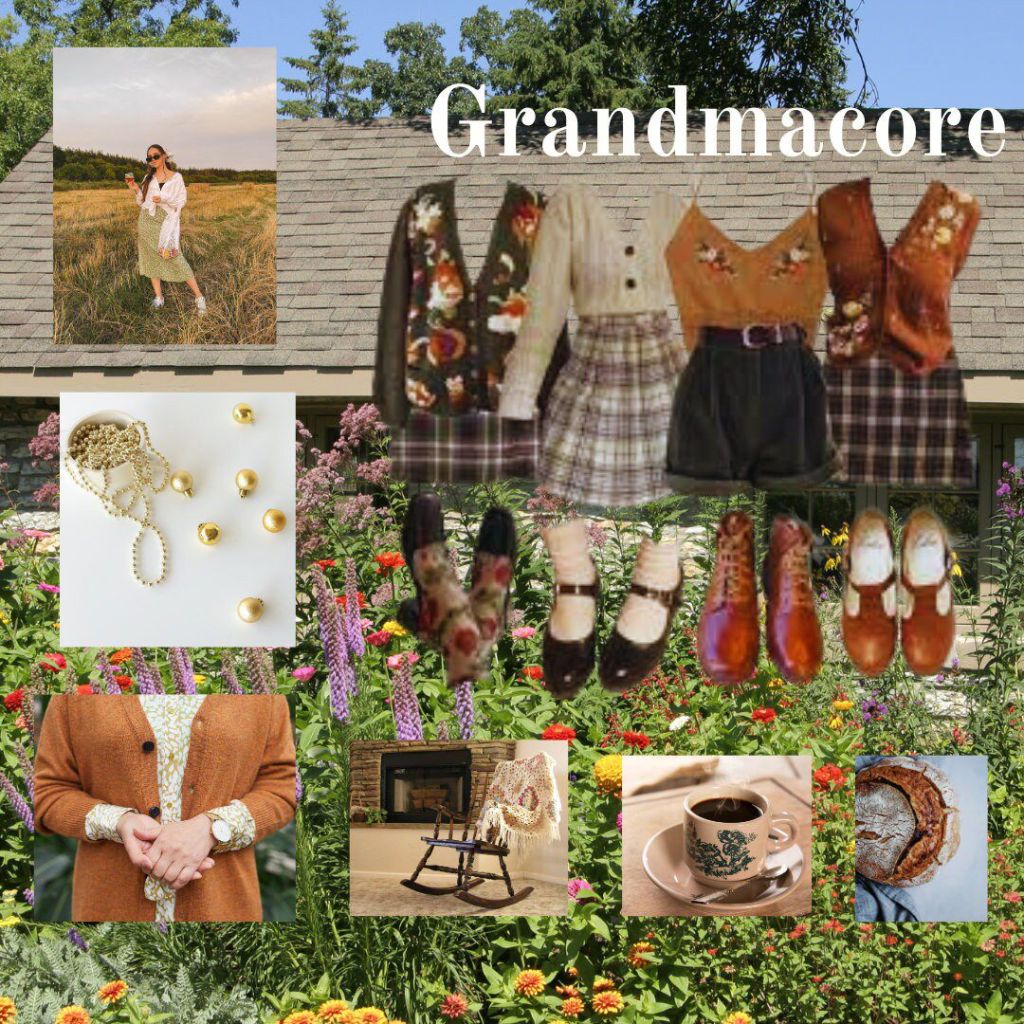
As ever in this day and age,social media is all over this. Search grandmacore onTik Tok, Pinterest, or Instagram to be flooded with ideas on the aesthetic – fashion, home, lifestyle, advice, videos, projects – there is a wealth of information.
Take a look at some of these links. Before you know it, you will be living like a Grandma.
-
Why buy a kit?
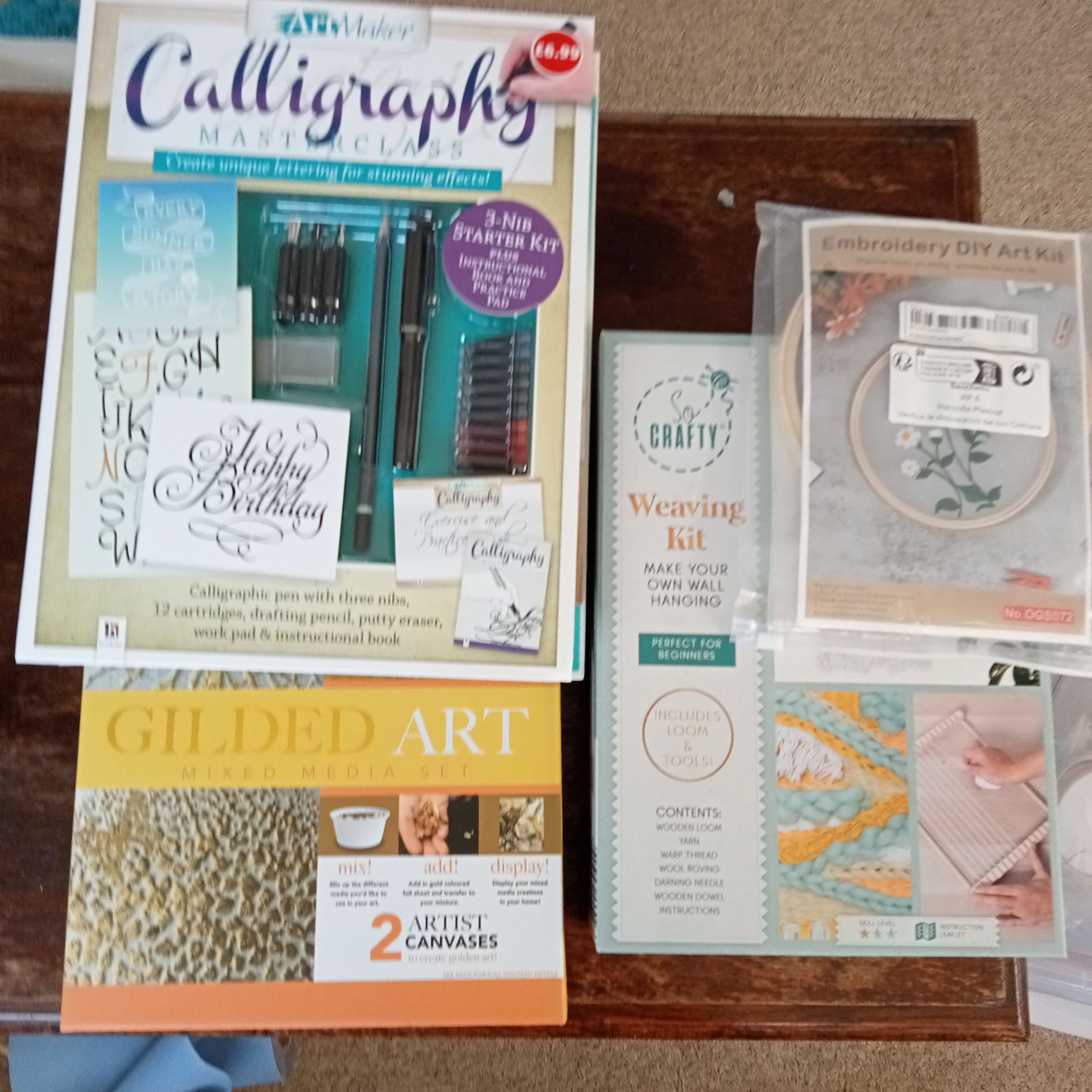
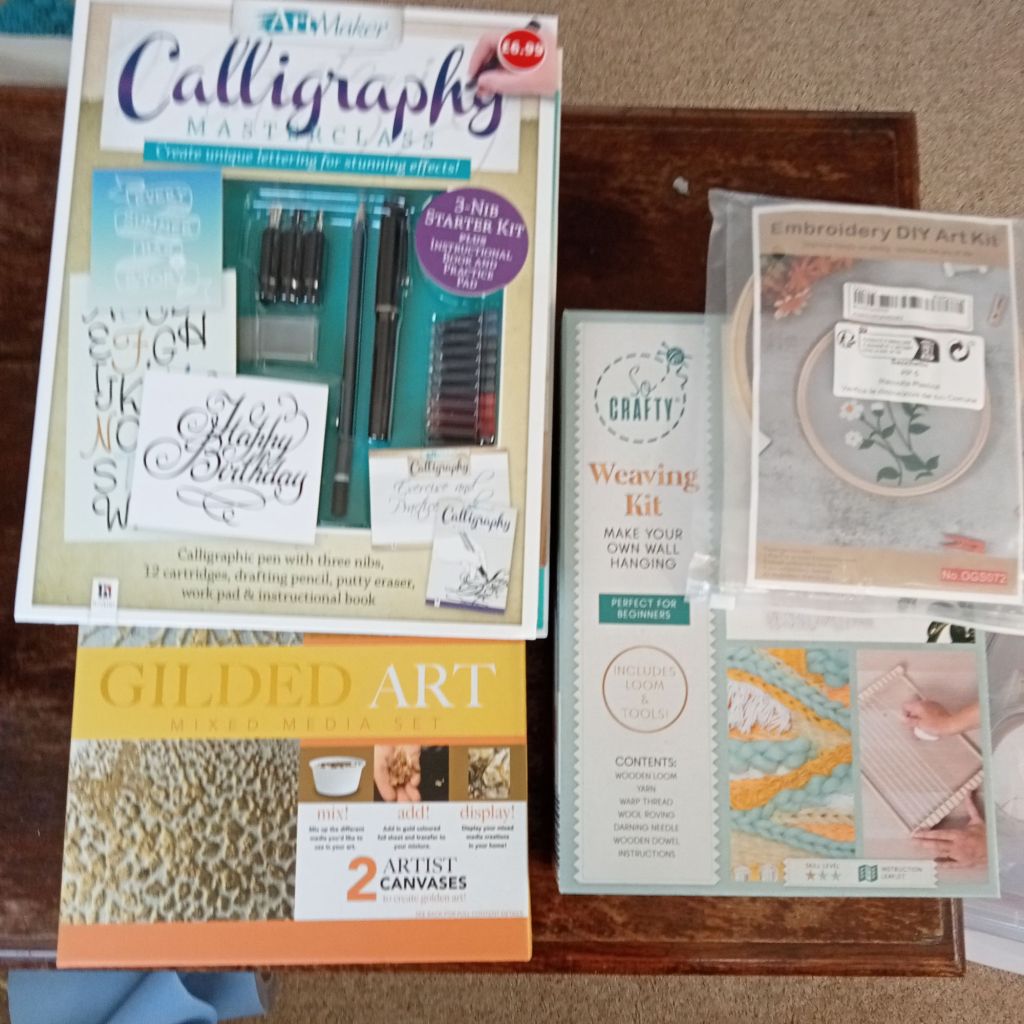
Do you buy craft kits? Do you think they are value for money? Now, I will buy kits if I want to try a new craft that needs equipment I don’t have, rather than buy lots of equipment I might not use. I will also buy a kit if it’s on sale or cheap. I buy kits for the bits in them that I might use for other purposes. The answer is yes, I buy kits.
But, do I use them? The answer is not always, as you can see from this photo. Sometimes it’s because I just don’t get round to it or I’m busy with other projects or something shiny takes my eye!
I won’t buy part works, they do not represent value for money. You may get a magazine with instructions but you are as well following a YouTube video.
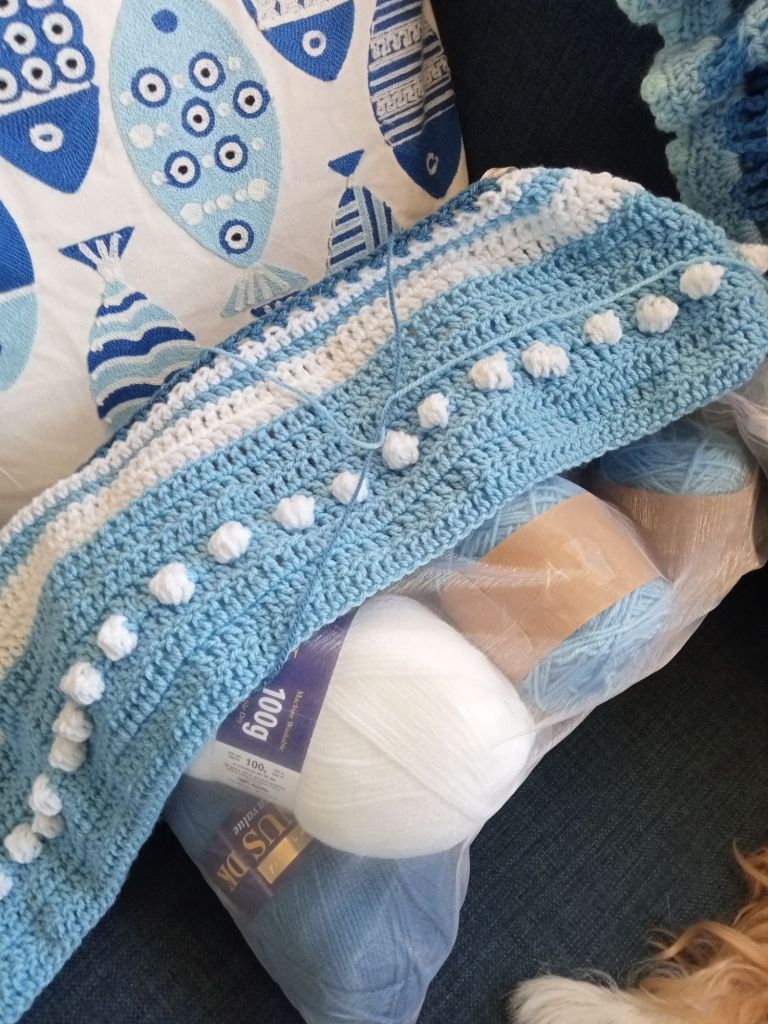
I will buy yarn bundles for making blankets, it often works out cheaper and they quite often are crochet-a-long or CALs, so you get support from the company and fellow crafters.
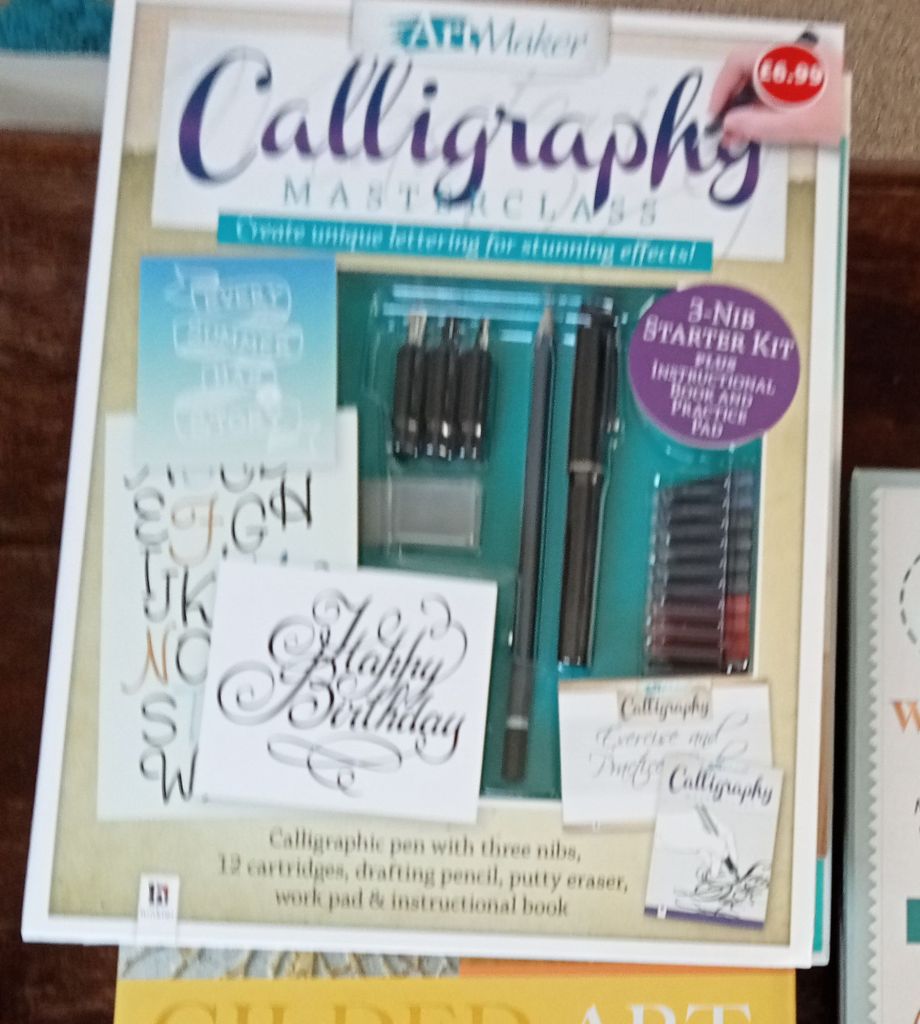
This calligraphy kit was a cheap buy at a certain budget supermarket (well, yes, Aldi). However, my community art group is doing calligraphy at our next session, so I will get to use it.
When I started needle felting, I bought a kit for a little goose. It was a great way to have a go and see how hard it was. There are some great needle felt kits available. If you enjoy the craft then you can gradually build up your materials.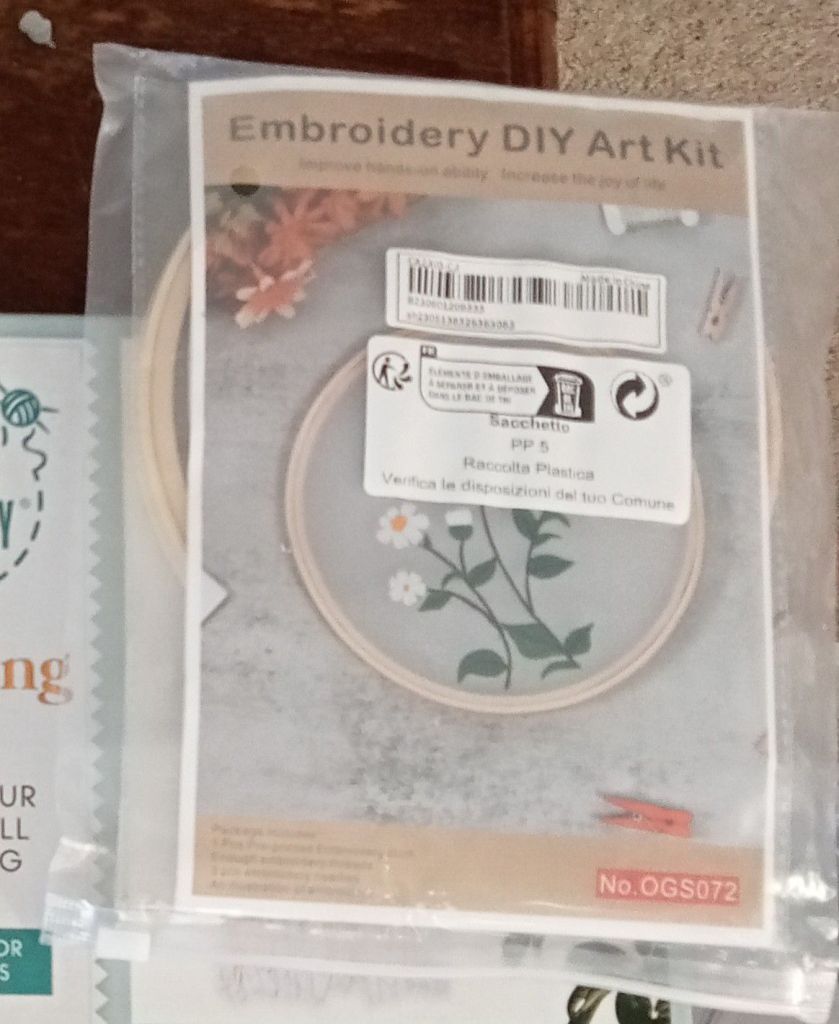
I bought a number of embroidery kits because I wanted the hoops for another project and added the silks and fabric to my stash. The kits were cheaper than the hoops.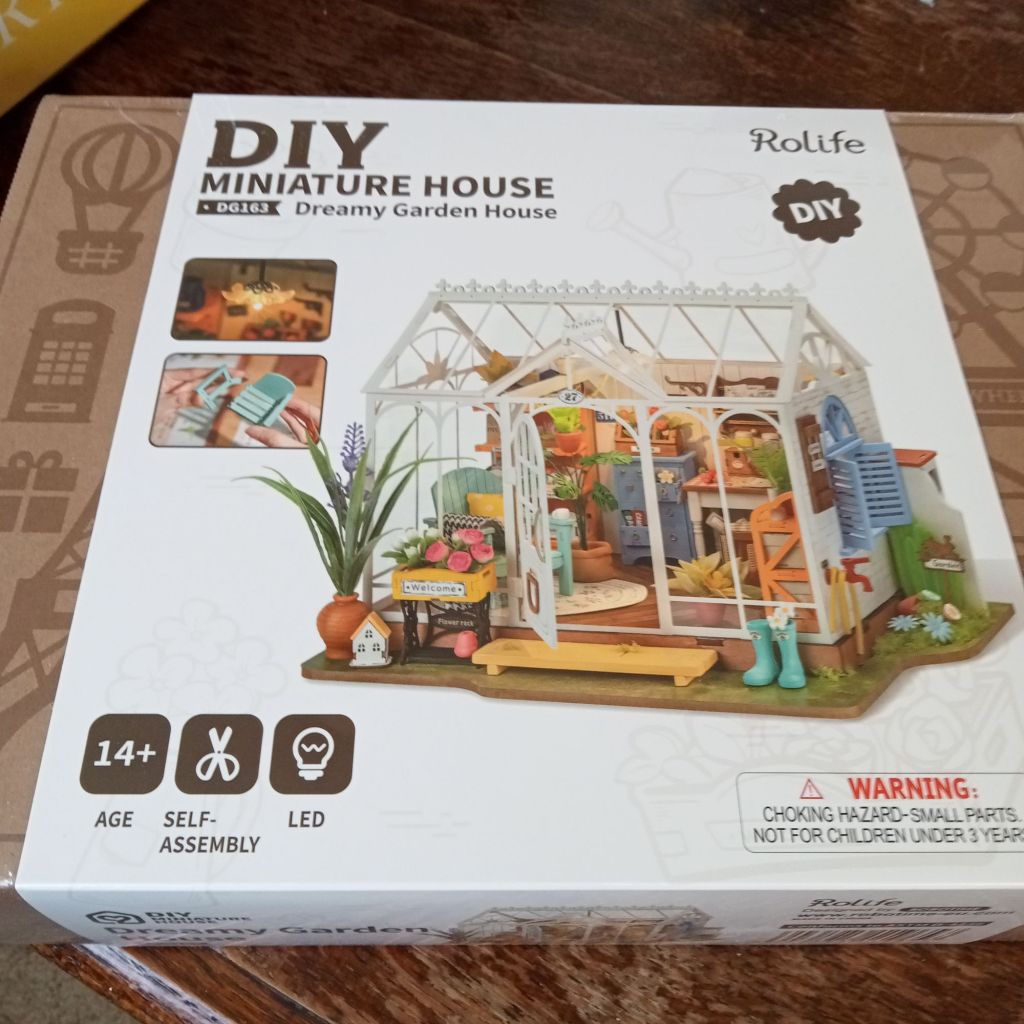
I recently turned 60 and among the craft gifts I received was this kit for a wooden greenhouse model. Not something I would have bought myself but I’ll give it a go. It might be the start of a whole new skill set for me!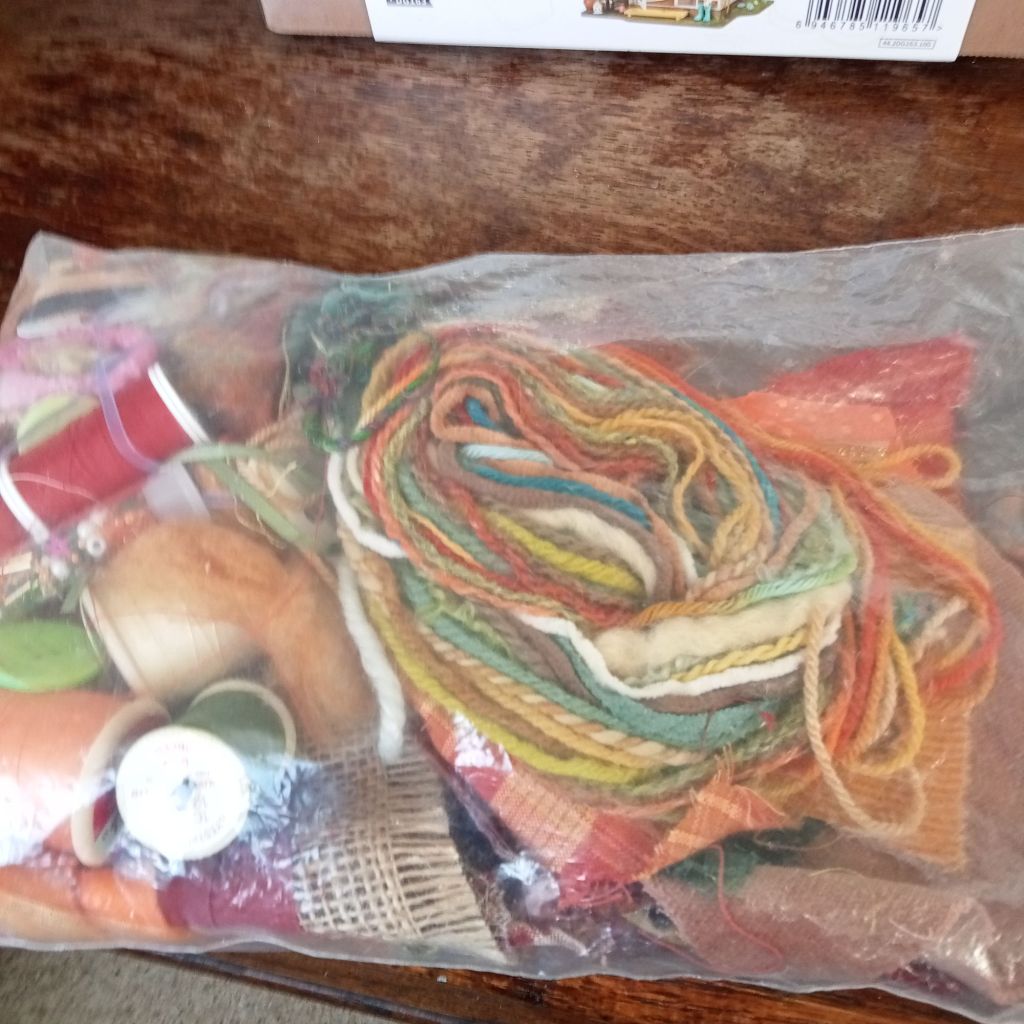
But my favourite kind of kit is the one off bag of coordinating fabric, ribbon, beads and threads that is simply bounding with possibilities a feast for the imagination. I’m still thinking of the right project for this one.2025, blanket, budget, craft, crochet, crochet pattern, Elswick, fabric, handmade, home decor, recycle, sewing, Spring, well-being -
Scraptastic Crochet for 2025
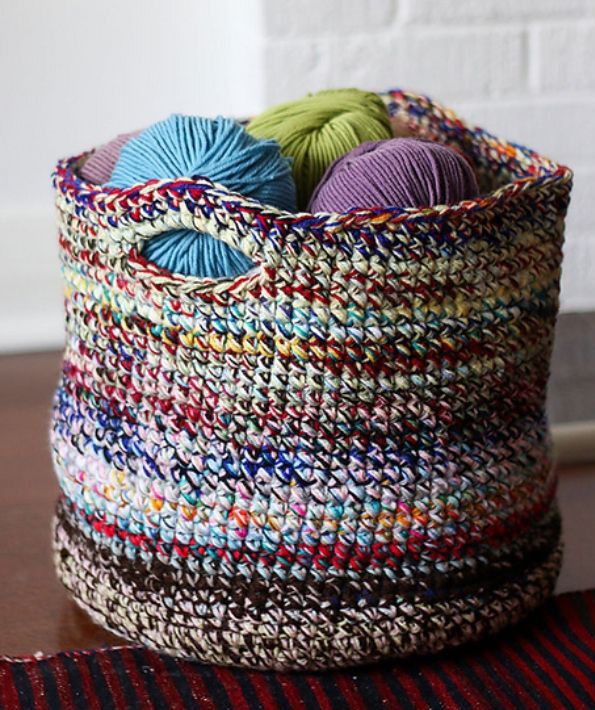
A growing trend in 2024 and set to explode in 2025, is scrappy crochet. Basically, using your smaller scraps of yarn to make a big project.
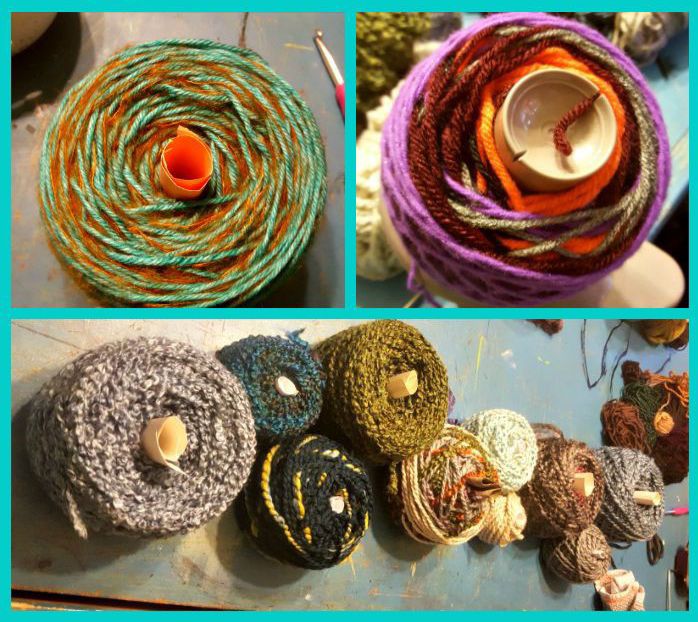
There are several ways to do this, mini granny squares being one way. You can join all your scraps to make a big ball to work from, this works well with corner-to-corner projects. If you have a ball winder, it makes this a lot easier as you can see the colours in the centre of your ball. I love my ball winder and if you have a lot of scraps of yarn its worth investing in a good one.
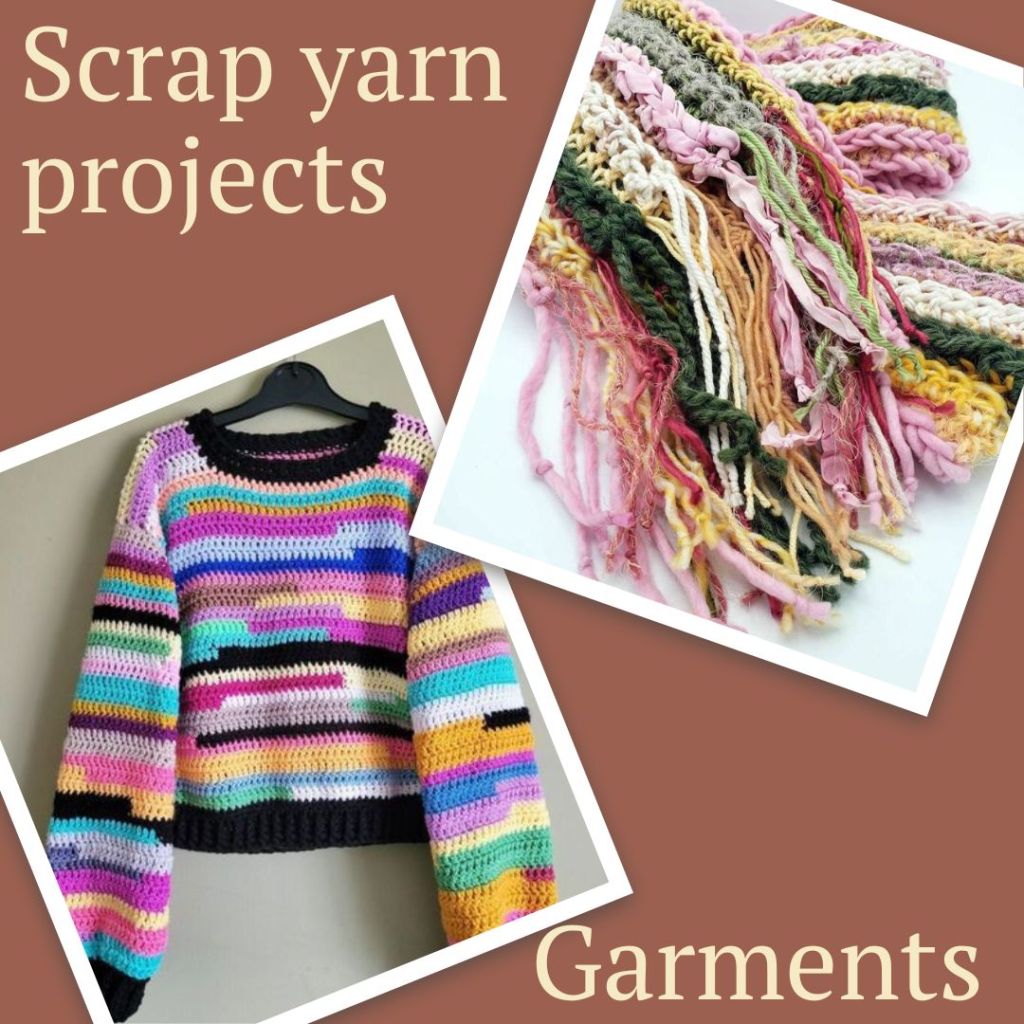
Over the last few months, I have really tidied up all my scraps into yarn cakes. Sort your stash by colour and weight, generally you don’t want to mix weights and then off you go. You can store your scrapcakes ready for your next project.
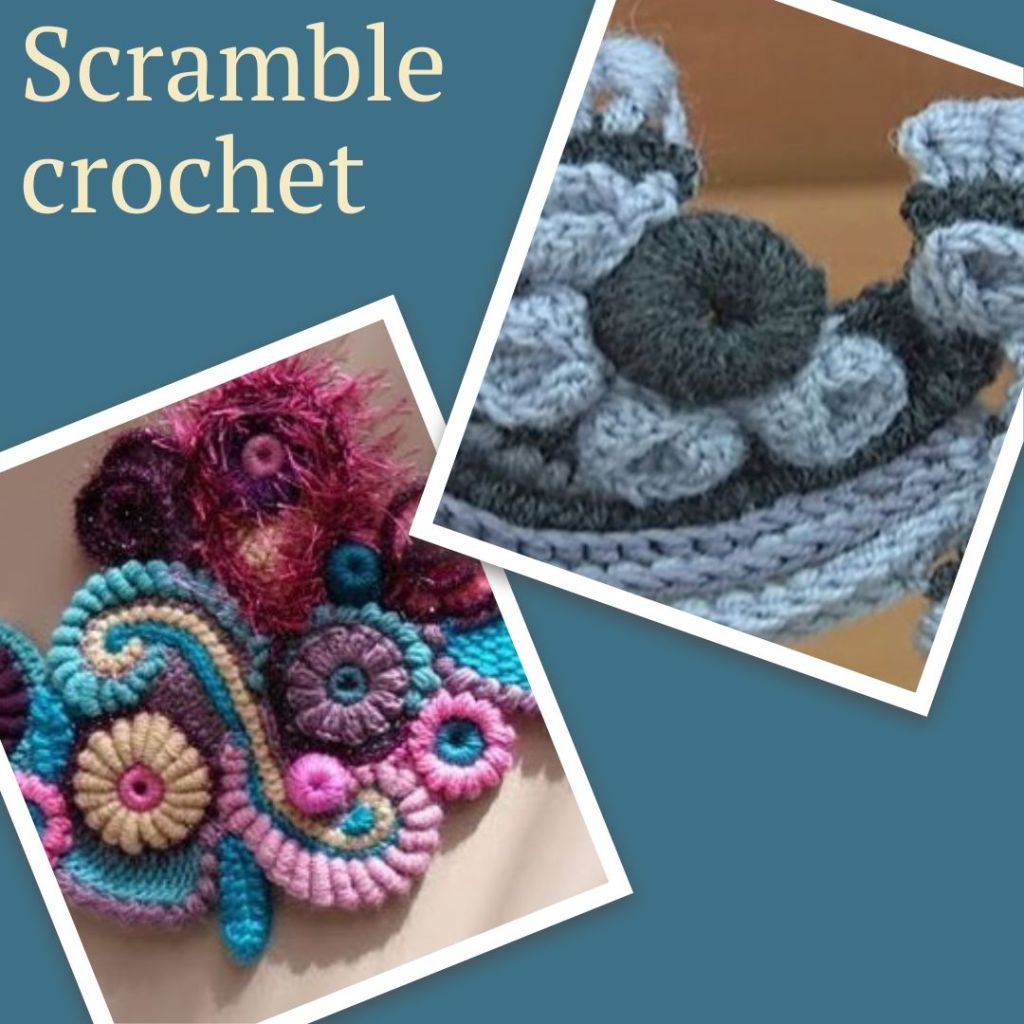
Another new trend in crochet for this year is free form or Scrumble crochet. This involves just starting a project and going with the flow! Any stitch, any colour and any weight, you can let your creativity flow and it’s a great way to use up smaller scraps and those arty yarns that are not quite right for traditional patterns. Mixing weights of yarn can create a flowing shape and tactile stitches create texture. Your scrumble pieces can be joined together to make larger items – think bags, garments even blankets.
All of these ideas will encourage your own creativity in your work, allowing more freedom than following a pattern. And your finished piece will be truly original.
And the plus side, by using up all those scraps, you have room for more yarn!
-
Crochet for the home in 2025
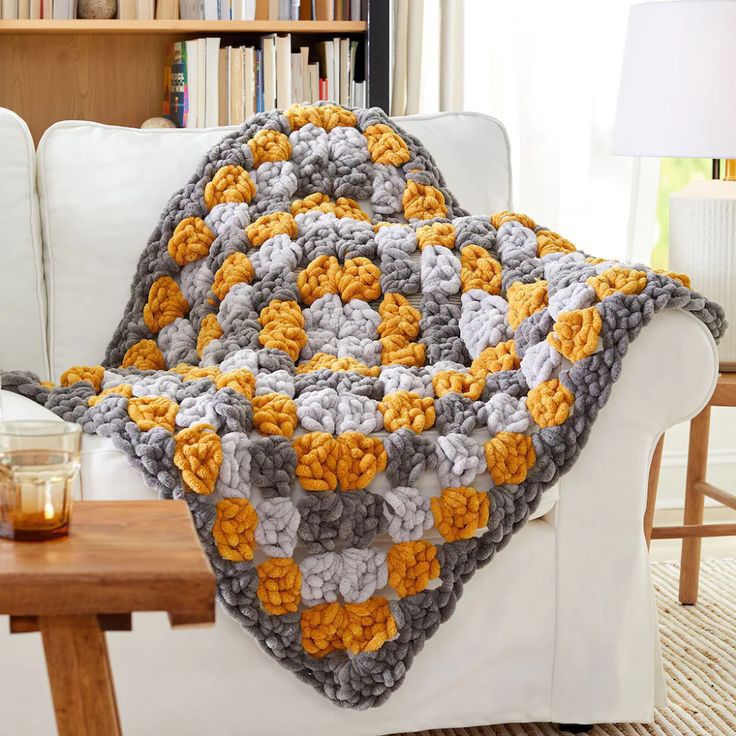
New trends in home decor for 2025 will feature giant versions of old favourites. I’ve already mentioned giant granny squares for home decor, using a super chunky yarn to make snuggly blankets. Floor cushion, and pouffes will be popular as well as blankets.
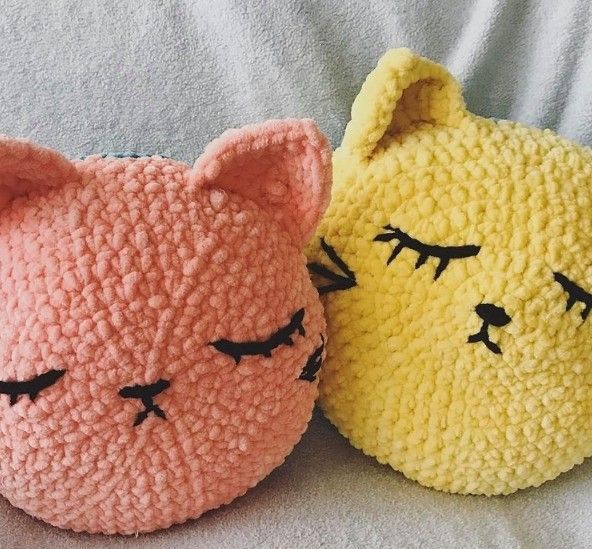
Also going mega in 2025, giant plushies will be popular. Last year’s trend for soft and snuggly animal plushies will translate into larger version as cushions and pillow plushies. Think velvet yarn and soft chunkies.
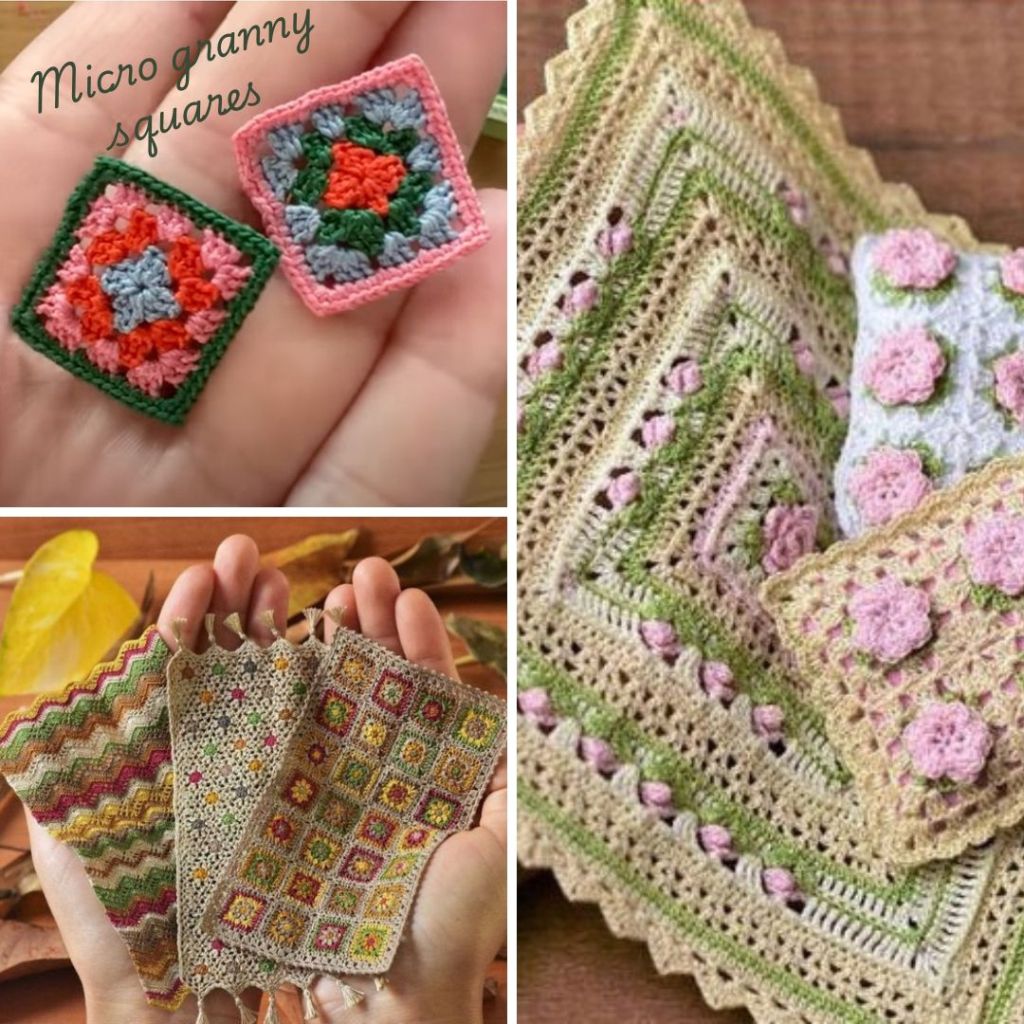
Mini granny squares will also be making an appearance in the home with everything from storage to lamp shades.
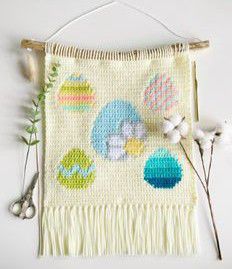
Colour work and tapestry crochet are becoming popular for the home, to make wall hanging and art work. Create your own tapestry to complement your colour scheme or brighten up a dull wall.
2025 could be the year you introduce crochet into your decor scheme with some of these alternative ideas.
-
Crochet garments in 2025
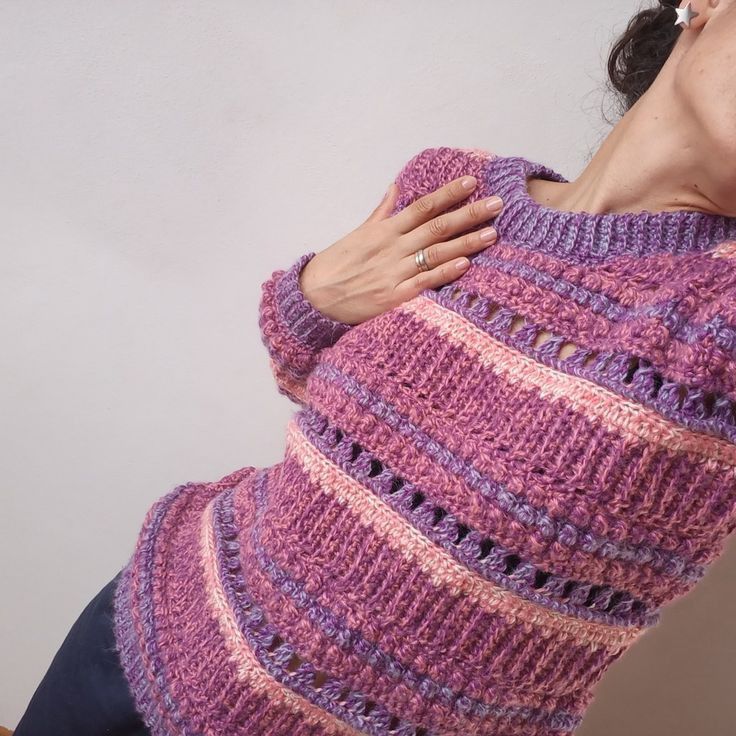
So, what’s new and trending in crochet garments for 2025? What are we all going to have on our hooks this year?
Following on from last years favourite wearable, the hexi cardigan, it’s predicted that a lot more wearables will be trending this year. Look out for multi stitch wearables, featuring different patterns in one garment. Think mesh sleeves on a granny sweater, rows of bobbles around neck lines.
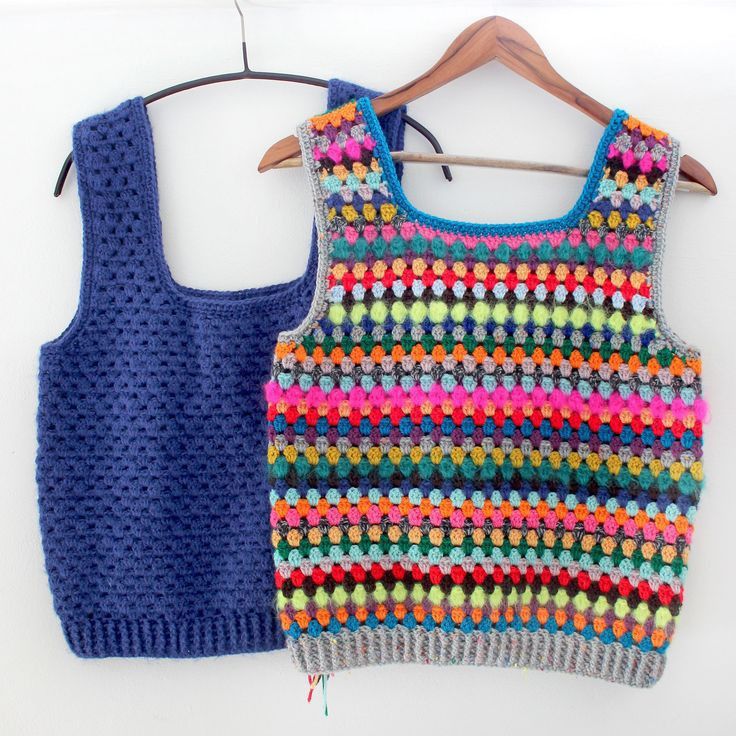
The granny stitch will still feature heavily in many forms, garments, and accessories, with micro-granny squares especially popular. And look out for giant granny squares, made from super chunky yarn, particularly for home decor items.
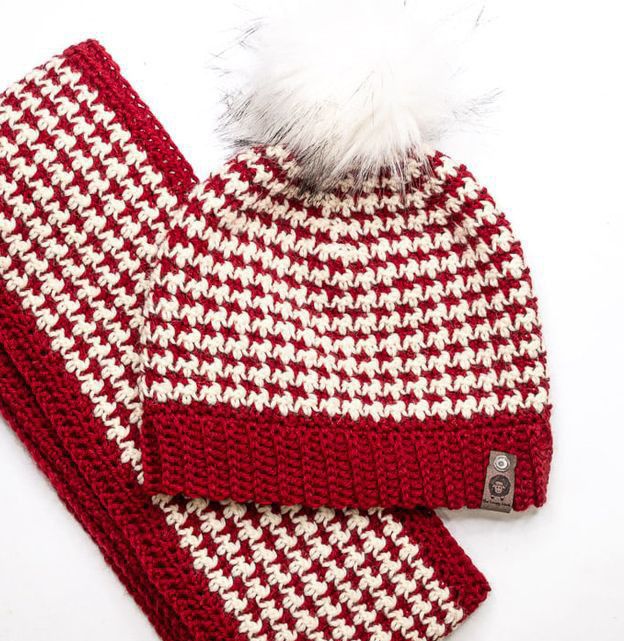
Hounds tooth patterns could make a comeback, particularly for jackets and skirts. Hounds tooth is a striking pattern and makes a bold statement but is surprisingly easy to master.
So, keep an eye out for this year’s go to crochet wearable and make sure you get on it.
-
Craft trends 2025
Happy New Year fellow crafters.
What are the new trends in crafts for 2025? Well, those in the know say that this year will be all about reclaimed, recycled and reused craft materials. Instead of buying new, buy second hand and re-purpose fabric, yarn, buttons, beads and all sorts of things.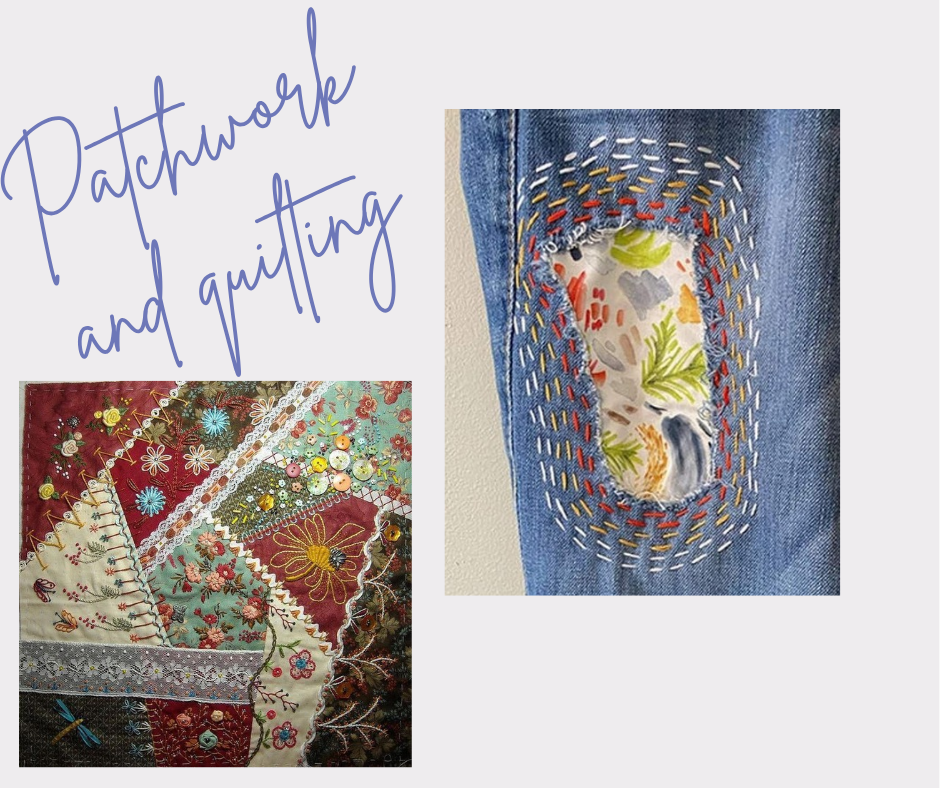
Crazy quilting is going to be big. Using Scraps of fabric, sewn together to make a usable new piece. Thus ideal for making smaller fabric projects like bags and cushions. You can use small pieces to patch and embellish existing clothing. You can even embellish your fabric with beads and embroidery.
Yarn from fabric? Yes, you can. Thin straps of fabric, twisted and sewn over can be used to make mats, coasters and even rugs.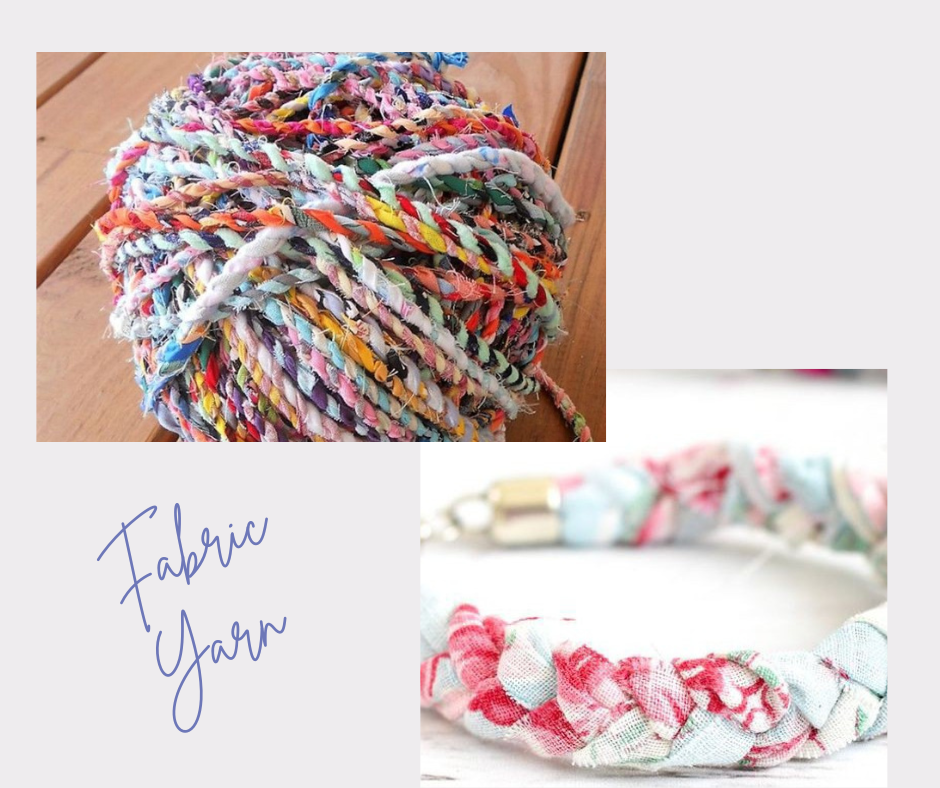
Eco friendly tools and materials will also be popular. Paints and dyes made from natural materials and plants, craft tools made from bamboo, there will be lots of choices.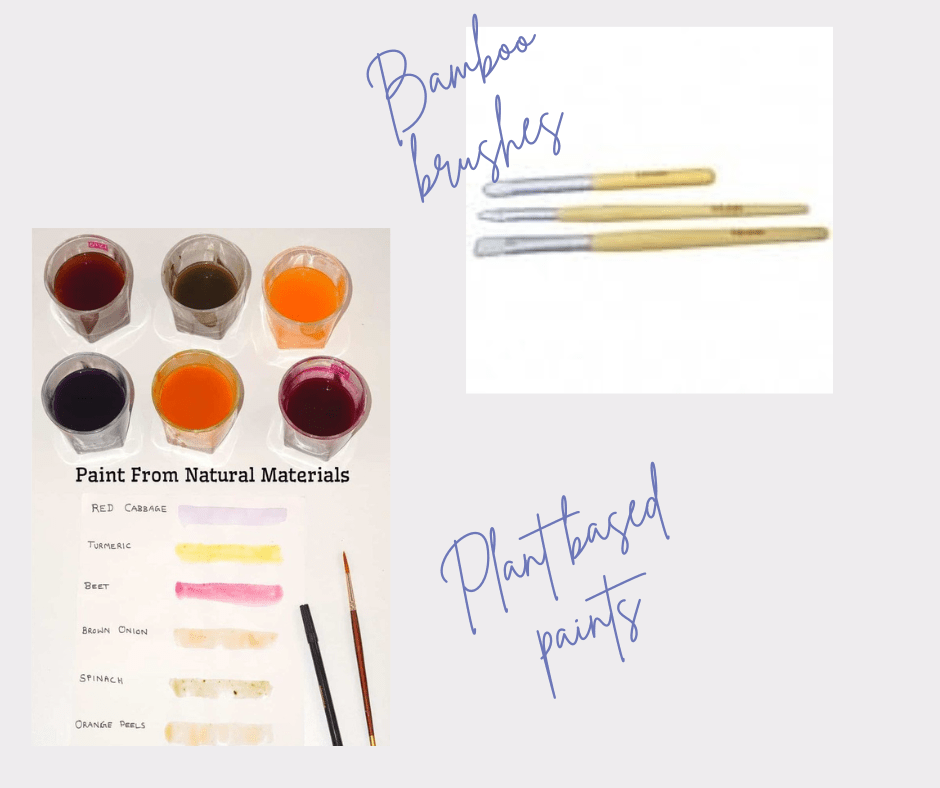
Paper crafts using recycled and reclaimed paper are popular for decorating the home. Use paper reclaimed from packaging, envelopes, magazine and newspapers for origami and kirigami projects yo decorate your home. Papier mache can be used to make sculptures and containers with a practical purpose.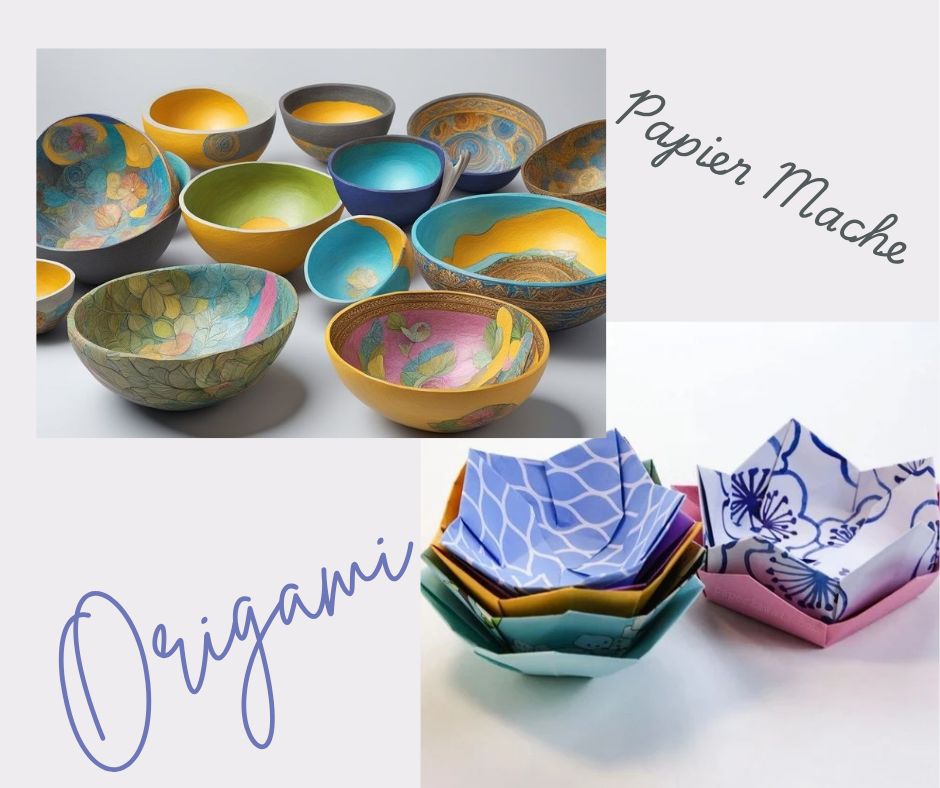
Simple to make, papier mache is literally made from rubbish!
Macrame became very popular last year and continues to rise in popularity, why not save all your it’s of string and yarn to make useful Macrame items.Whatever your craft skills, try something new in 2025
-
Christmas on a budget
You are probably starting your Christmas shopping around this time and like last year, money might be a bit tight. If you are thinking of making some presents yourself, now is the time for bit of forward planning.
Start by saving materials you might be able to repurpose.
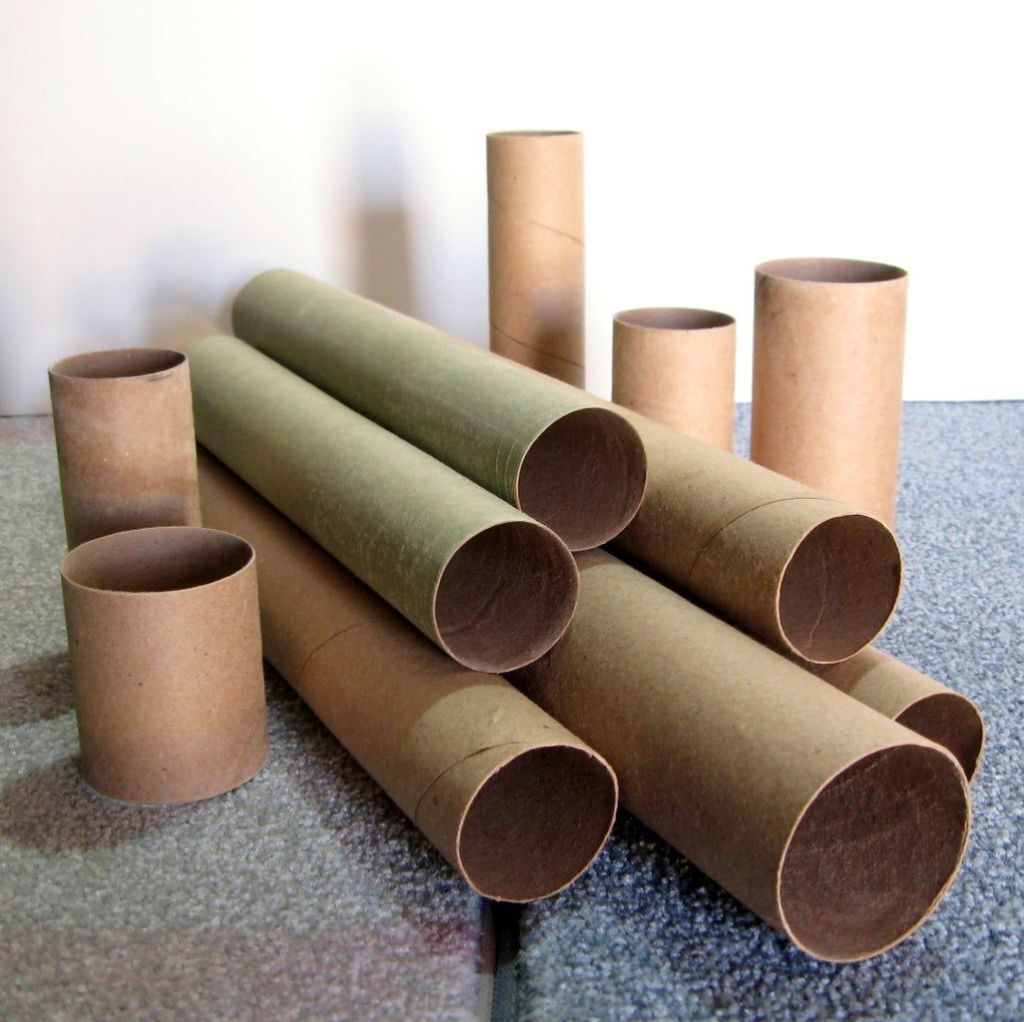
1.Cardboard tubes, the kind you find inside paper rolls of all kinds. These have multiple uses from advent calendars to gift boxes. If you are lucky enough to know someone who works in a beauty salon, they use long paper rolls for covering beds and surfaces as do health centers. The rolls from these are great.
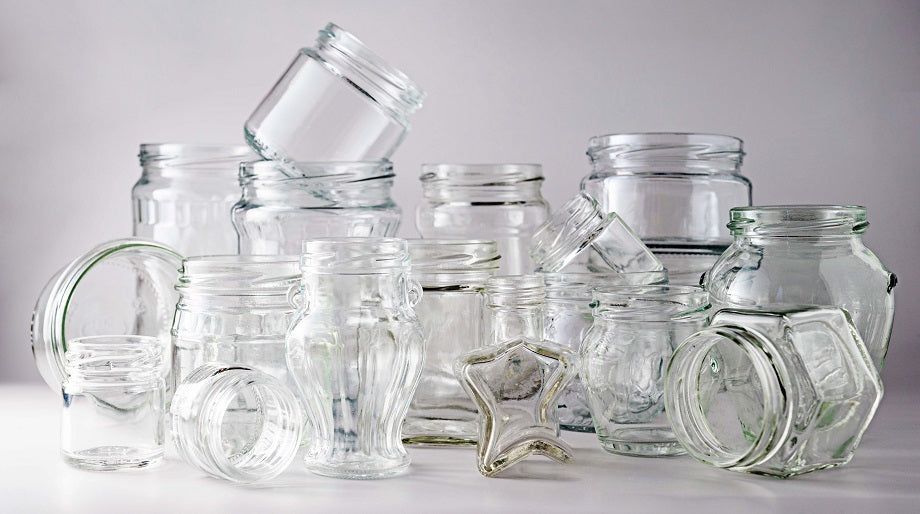
2. Glass jars of all sizes. From large pickle jars to tiny miniature jam jars, they make great packaging for little gifts. Make sweetie jars for little ones, foodie gifts, kits for all kinds of hobbies or a sophisticated cocktail or manicure gift for adults.
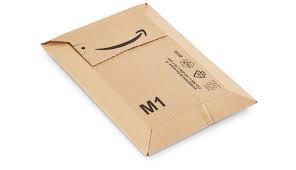
3. Packaging. That brown card packaging from a certain online retailer is ideal for making your own packaging and decor. The natural looking card makes great rustic gift boxes and tags.
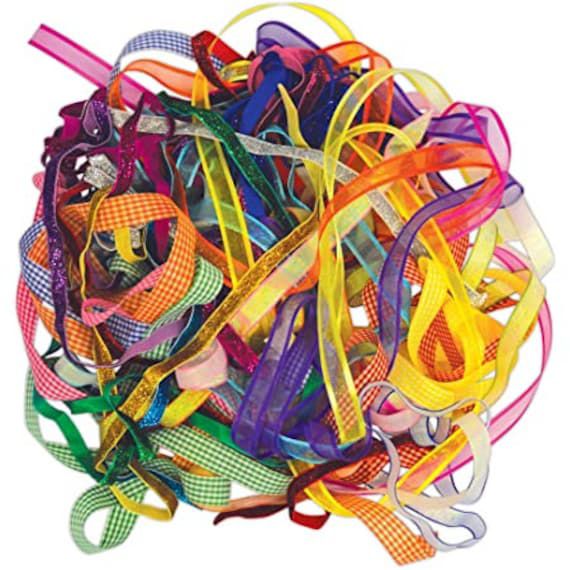
4. Ribbons, beads and buttons, especially in red white green and gold. Save ribbons and cotton tapes from things you buy, buttons from old clothes, necklaces and bracelets you don’t wear can be taken apart and there beads reused.

5. Newspapers and magazines. There are lots of ways to use these but my favorite is papier mache. Its so versatile! I make wreath bases from the above mentioned cardboard tubes and papier mache. Here’s a link to the video tutorial on my Facebook page What Kate Made
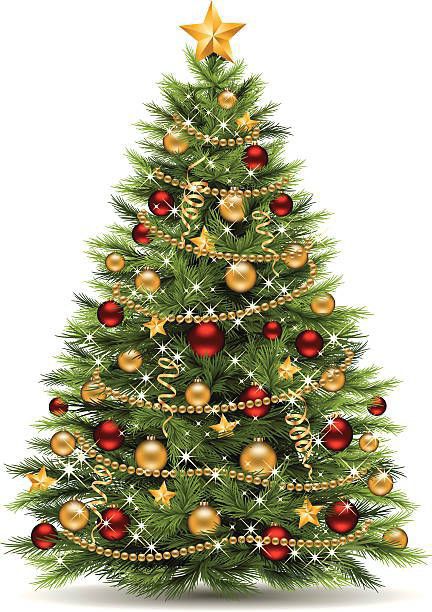
Another great way of saving this year is to take a good look at your Christmas decorations early and see what can be revamped or repurposed. An old artificial Christmas tree can provide enough green stems to make wreaths, garlands and present toppers. Any mismatched baubles, tinsel or garlands can be taken apart and added to your revamped decor.
Between now and Christmas, I will be posting lots of budget friendly Christmas ideas for gifts, decorations and food, so watch this space
So, if you are prepping for a budget Christmas, before you thrown anything away, take a good look at it and think “What can I make from this?”
-
Fall into Autumn
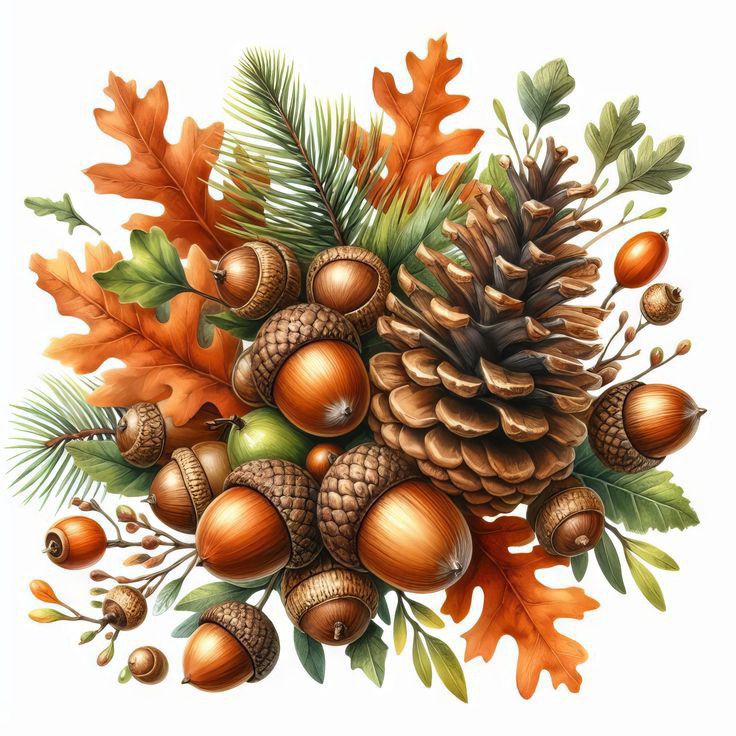
We are reaching the end of October and although Autumn has been slow coming this year, the leaves are finally turning and starting to fall. The countryside is rich in berries, conkers and nuts and seed heads. Its a great sources of inspiration for crafters and creatives with vibrant colours and endless bounty.
At this time of year, I change my porch display for autumn inspired decor. Embroidered felt and crochet leaves on the twig tree, crocheted pumpkins on the table. This year I decided to make a new autumn door wreath, so I’m crocheting leaves, acorns and conkers to go on it.
I make my own wreath bases from cardboard tubes and papier mâché. Go over to my Facebook page to see a video tutorial of how to make your own. Meanwhile, have a go at making your own autumn decor.

Oak leaves and Acorn pattern
Oak Leaf.
Start by making 20 ch.
Round 1: Start in 2:nd ch from hook. 4 sc, 4 hdc, 5 dc, 5 tr. 8 tr in the last ch, turn around. Crochet mirrored on the way back i.e: 5 tr, 5 dc, 4 hdc, 4 sc. 1 sl st in the last ch.
Round 2:
1 hdc in 1:st sc of round 1, skip next st, [3 dc, 3 ch, 1 sl st] in next st, 1 sl st, 1 sc, 1 hdc, 1 dc, [3 tr, 4 ch, 1 sl st] in next st, 1 sl st, 1 sc, 1 hdc, 3 dc, [3 tr, 4 ch, 1 sl st] in next st, 1 sl st, 1 sc, 1 hdc, 1 dc, [2 tr, 4 ch, 1 sl st] in next st. 1 sl st, [1 hdc, 1 dc, 1 tr] in next st.
Crochet mirrored on the way back, i.e: [1 tr, 1 dc, 1 hdc] in next st, 1 sl st, [1 sl st, 4 ch, 2 tr] in next st, 1 dc, 1 hdc, 1 sc , 1 sl st, [1 sl st, 4 ch, 3 tr] in next st, 3 dc, 1 hdc, 1 sc , 1 sl st [1 sl st, 4 ch, 3 tr] in next st, 1 dc, 1 hdc, 1 sc, 1 sl st, [1 sl st, 3 ch, 3 dc] in next st, skip next st, 1 hdc, 1 sl st in the last sl st of round 1.
Stalk: ch 5, 1 sc in 2:nd ch from hook, 3 sl st, finish with 1 sl st in the last sl st of round 2.
Fasten ends.
Acorn
Acorn Body: With cream , ch 2.
R1: 5 sc in 2nd ch from hook (5 sc), Do not join; place marker in first st of rnd and move it up as the piece progresses.
R2: 2 sc in each st around (10 sc)
R3: Sc in next st, 2 sc in next sc around (15 sc)
R4-6: Sc in each st around.
R7: Sc in next 3 sc, sc2tog around, join with slip st to first sc (12 sc)
R8: ch1, sc in each st around, join with slip st to first sc (12 sc)
Fasten off. Weave in ends.
Acorn Cap:
With brown, ch 2 leaving a 12″ tail.
R1: 5 sc in 2nd ch from hook (5 sc), Do not join; place marker in first st of rnd and move it up as the piece progresses.
R2: 2 sc in each st around (10 sc)
R3: Sc in next st, 2 sc in next sc around (15 sc)
R4: Sc in next 2 sc, 2 sc in next sc around (20 sc)
R5: Sc in next 2 sc, sc2tog around, join with slip st to first sc (15 sc)
R6: ch1, sc in each st around, join with slip st to first sc (15 sc)
Fasten off, leaving a long tail for sewing
Acorn Stem:
With 12″ tail inside of cap, pull up loop to RS through center hole; pull remainder of tail to RS through a nearby hole; insert hook in loop, ch 4. Sc in 2nd ch from hook and in each of next 2 ch. Pull remaining tail to inside of cap and fasten off. Stuff acorn lightly. Sew Cap to Bottom; weave in ends.
Small Pumpkin Pattern
Small pumpkin
With orange yarn, ch 11
R1. Starting in 2nd ch from , sc to end.ch 1 turn
R2. Sc blo to end. Ch1 turn.
Repeat row 2 until work is 30 rows long. FO leaving long tail
Join ends of crochet to form a cylinder. Gather the top, stuff and Gather bottom. Thread needle with orange yarn, secure to top of pumpkin and push through the middle. Bring yarn up the side, and push through from top to bottom, pulling tight. Repeat this six times creating the ridges on your pumpkin.
For a larger pumpkin, double the starting chain and double the number of rows.
-
An Unexpected Bonus.
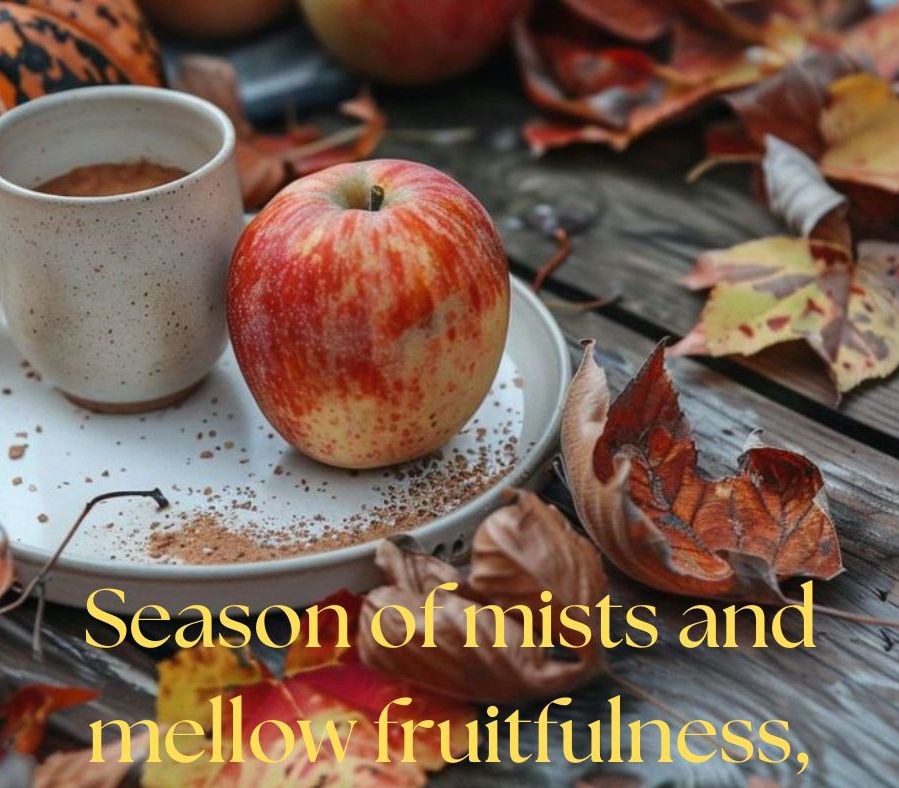
Autumn is my favourite season. I love crisp, cold mornings, even wet and windy days. I love the turning of the trees and huge drifts of fallen leaves , the colours, and the fruitfulness. And living in a small village, we get the best of the harvest season.
I found this gorgeous Kirsten Holloway Designs for a scrappy art yarn scarf.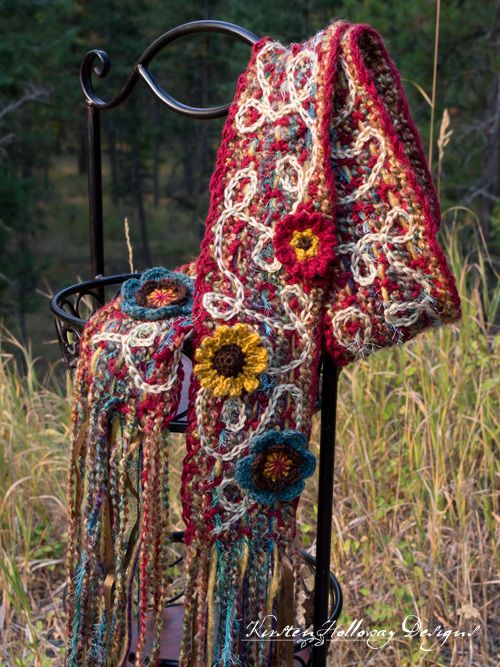
I sorted through my yarn stash, picked out colours and textures, and got everything ready to start it the next day.
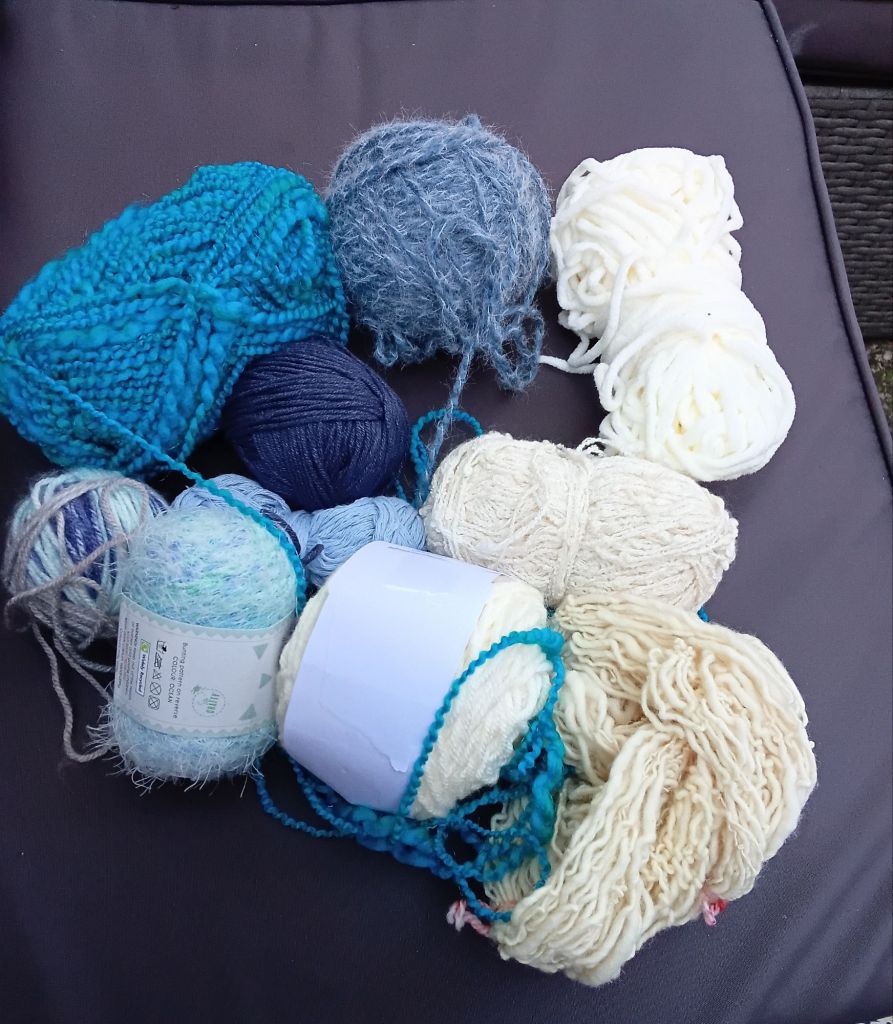
Then, of all the irony, it was a glorious, warm September day. And I was starting a winter scarf.Well, that’s creativity for you!
I love this ladies’ designs. They are intricate and beautiful, and i love the textures she creates. Each time I make something of hers, I learn something about crochet. She has lots of free patterns on her website, and I would encourage you to take a look.
So I will start my scarf on this beautiful day because one thing you can guarantee about the British weather is that it will change tomorrow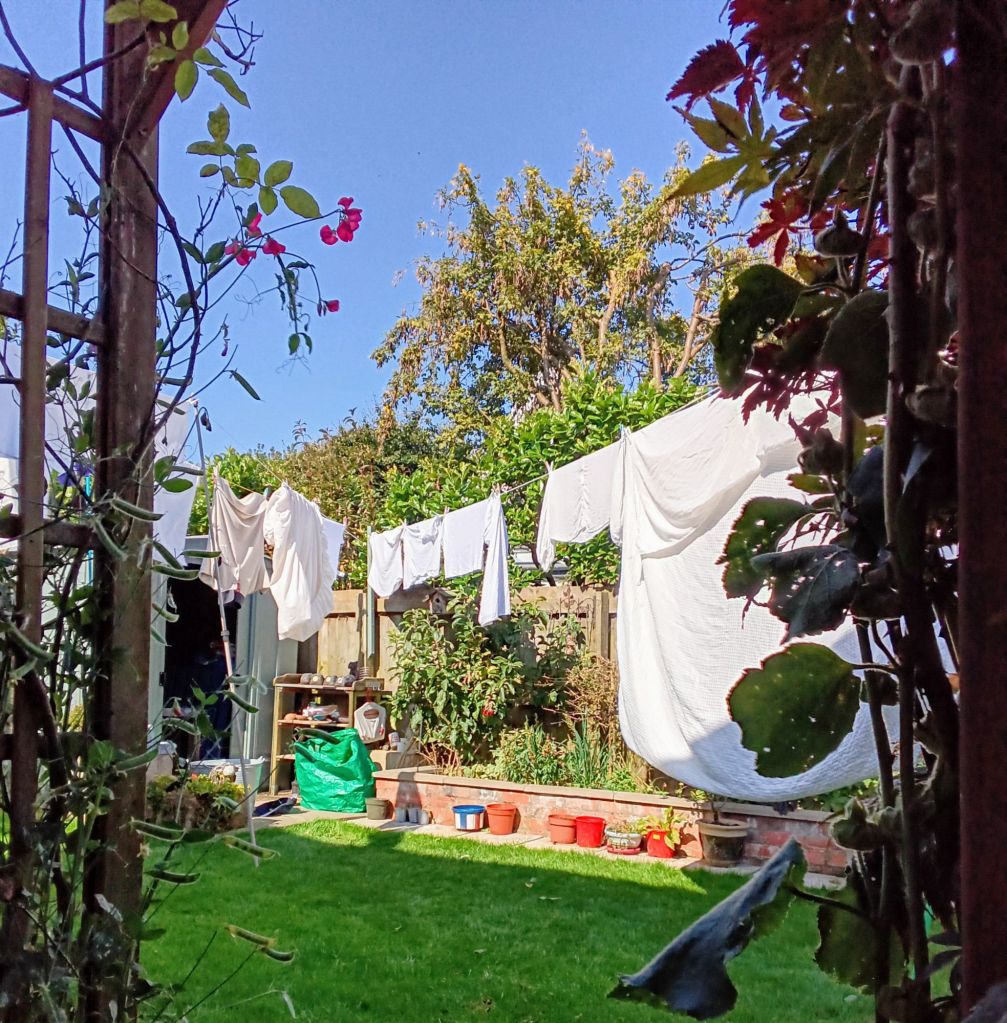
Confessions of a crafty butterfly