-
The demise of the postbox topper
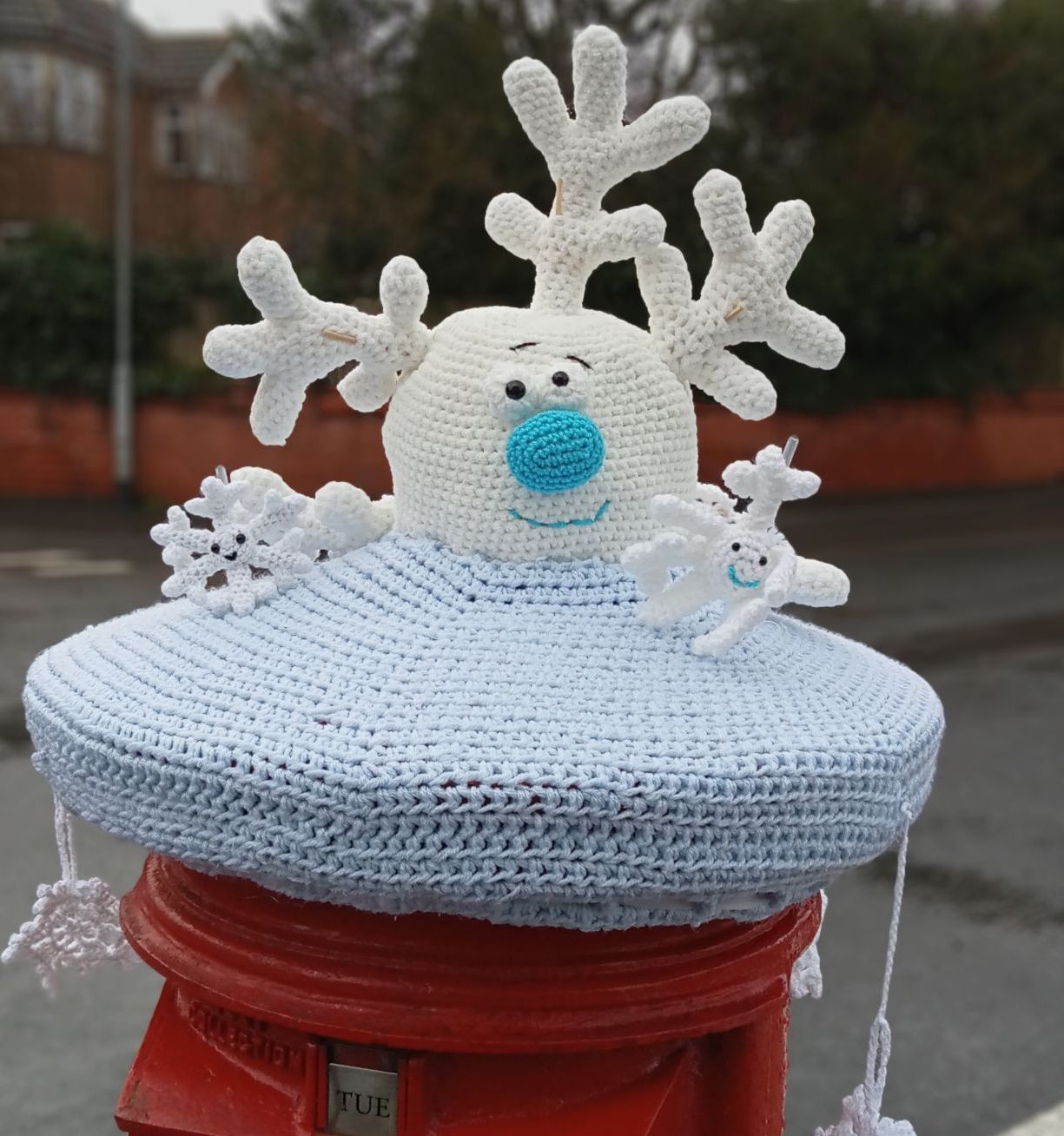
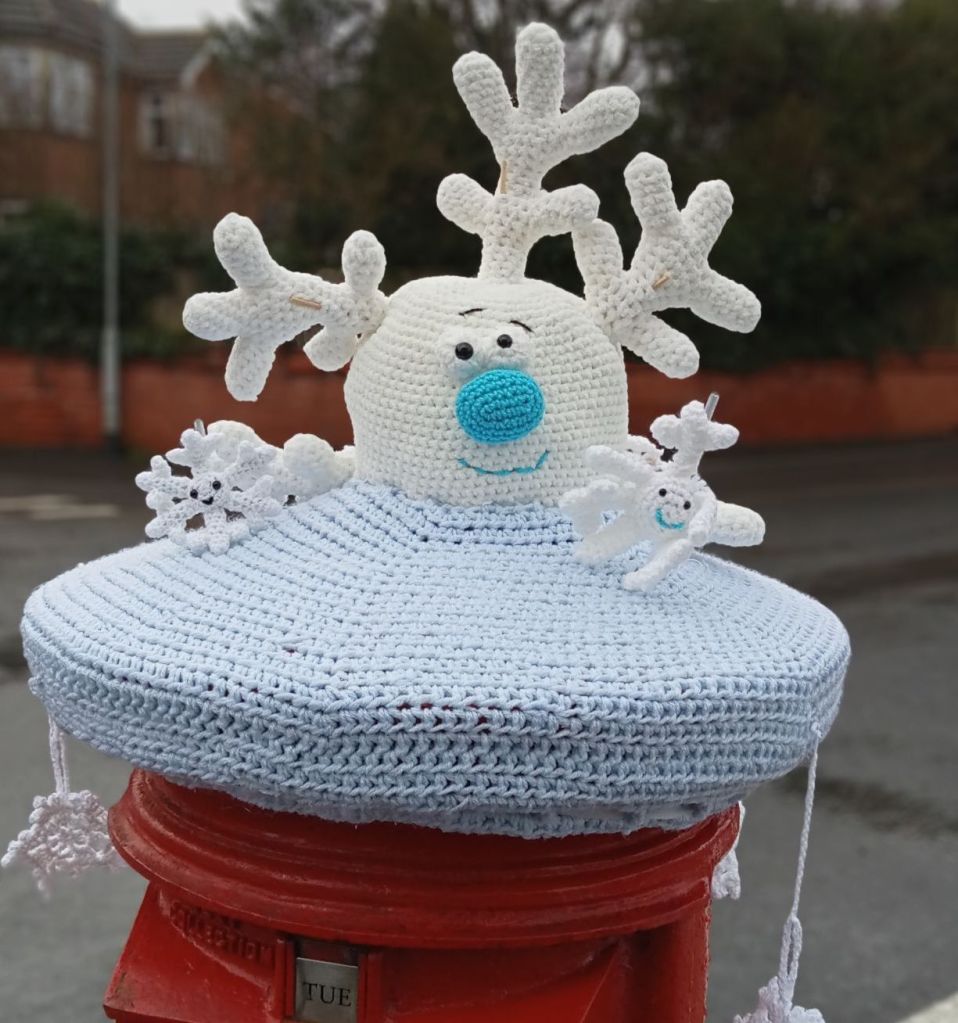
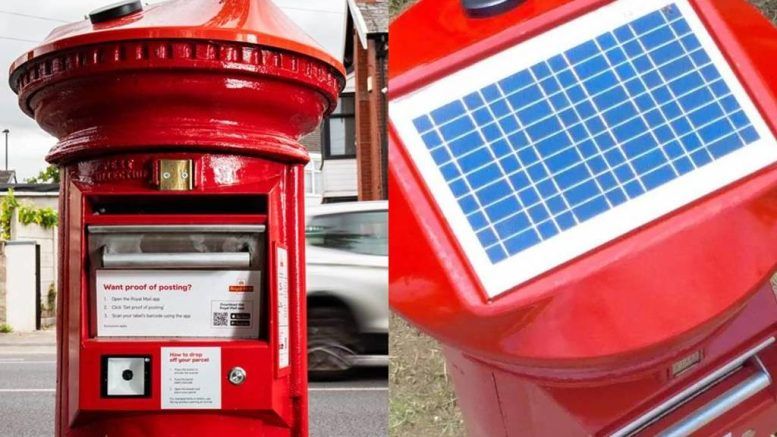
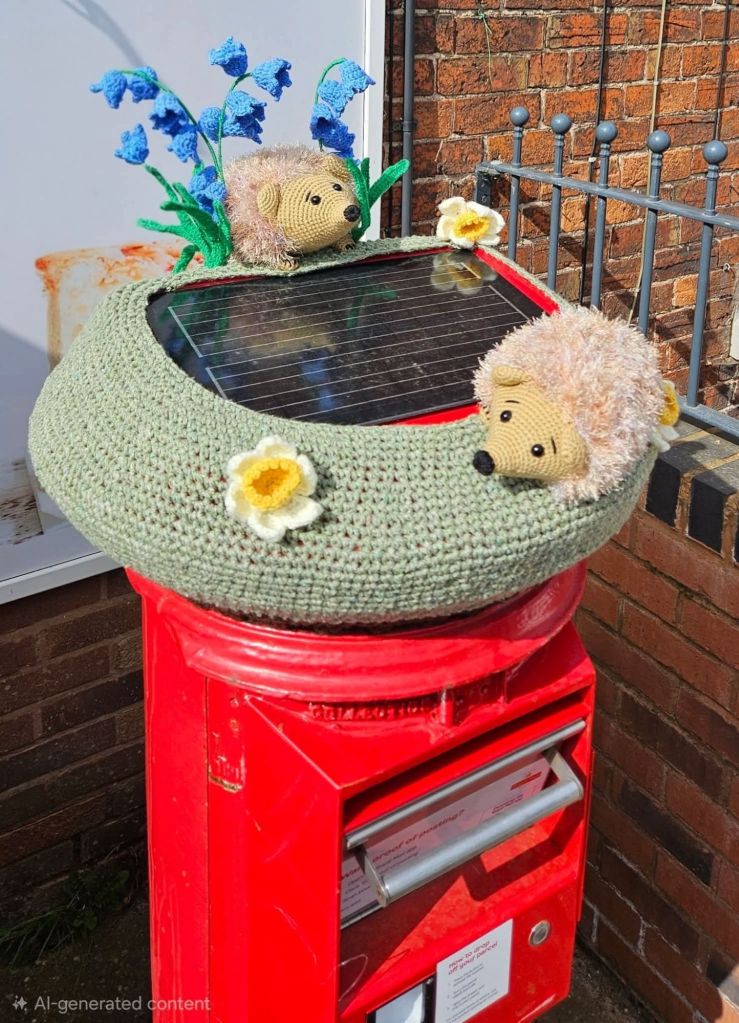
Our Winter Topper for 2026. All across the nation, crochet and knitting groups are bowing their heads in sorrow. Why you might ask?. The answer is that the stage where they display their creative genius – the humble postbox – is getting a makeover and being brought up to the twenty-first century as an all purpose box that will take parcels but requires a solar panel on top. So, no more topper!
We first began to see these toppers in 2012 over the festive season, although this soon spread to other key times of the year such as Easter. They were used to celebrate various frontline workers during the pandemic, to celebrate queen Elizabeth’s Diamond and platinum jubilees and lots of other seasonal and notable events. Our first topper in Elswick was for the Platinum Jubilee in 2022.
Royal mail have always been quite welcoming of the topper, recognizing that the good press they generate is welcome to them in the days of declining customer satisfaction
Bu then this began to happen.
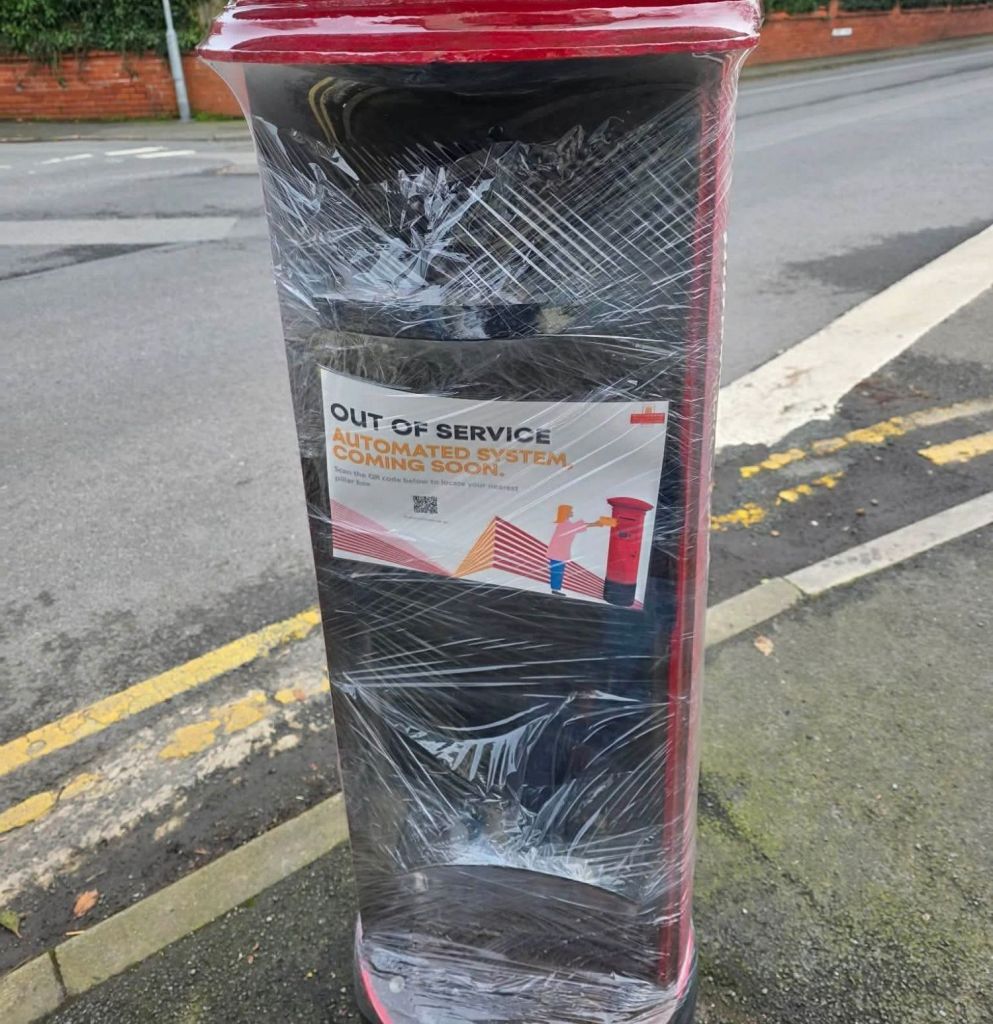
Postboxes began to be taken apart and wrapped up for ‘regrading’, quite sinister and very inconvenient if your only other postbox was miles away. And in true British fashion you have to wait weeks for the second gang to come along and restore it.
This minor inconvenience for customers is a disaster for the yarn bomber or wooly vandals, as we have been called. The inclusion of the solar panel in the top means it cant be covered.
But fear not, wooly vandals are a crafty lot (pardon the pun) and have soon devised ways to keep their postboxes swathed in yarn or found alternative sites.
Here in Elswick, we woke one Sunday morning to find that the postbox ninjas had been in the dead of night and wrapped up our box and it is still wrapped four weeks later. We’ve missed the prime Easter season too! Never fear, we got our thinking caps on and came up ith bollard toppers, Easter bunting and a nice line in decorated wreaths.
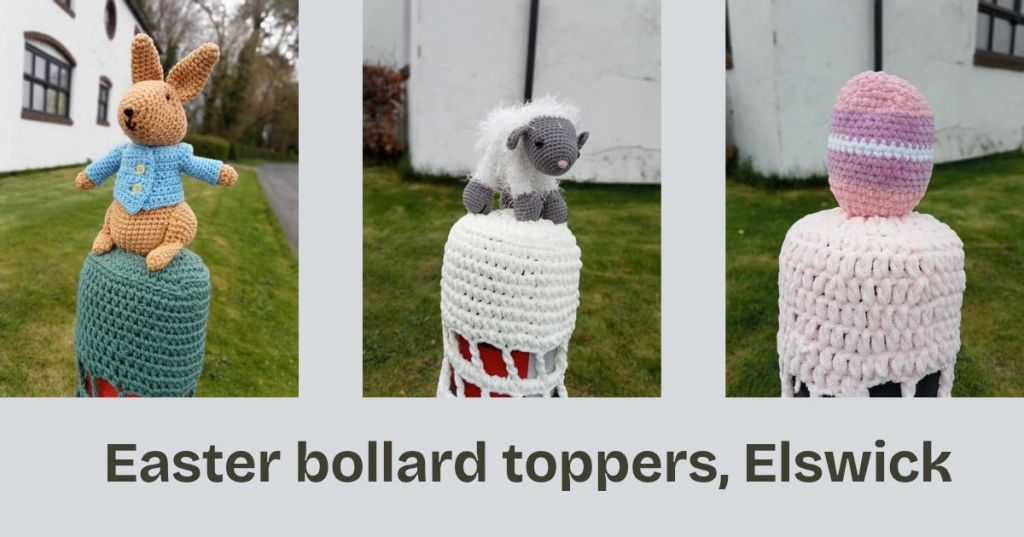
The postbox topper will live on although in a much reduced version but watch out any gate pillars, bollards, even benches and road signs. A wooly vandal cannot be stopped!
-
The Thrifty Crafter
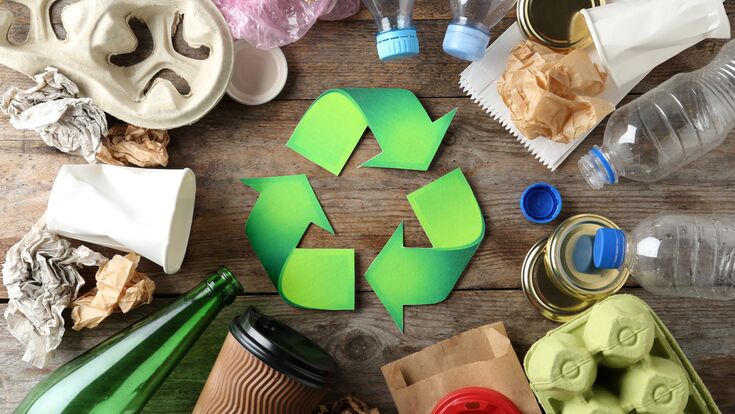
You don’t have to spend a fortune on crafting materials when there is an abundance of materials just lying round the house.
I’ve always tried to reuse and recycle and I’m notoriously mean when it comes to spending money! Packaging, paper, fabric, buttons, beads, even cushion stuffing – there is so much that you can save from landfill.
Paper packaging is a goldmine of crafting material. The packaging from a certain huge online retailer is a great source of card for all sorts of crafting from cardboard for winding on and storing ribbons (reused of course) to using boxes for decoupage projects to make your own gift boxes. Newspaper and cardboard tubes have long been used in crafting projects. I combine both to make this wreath base.
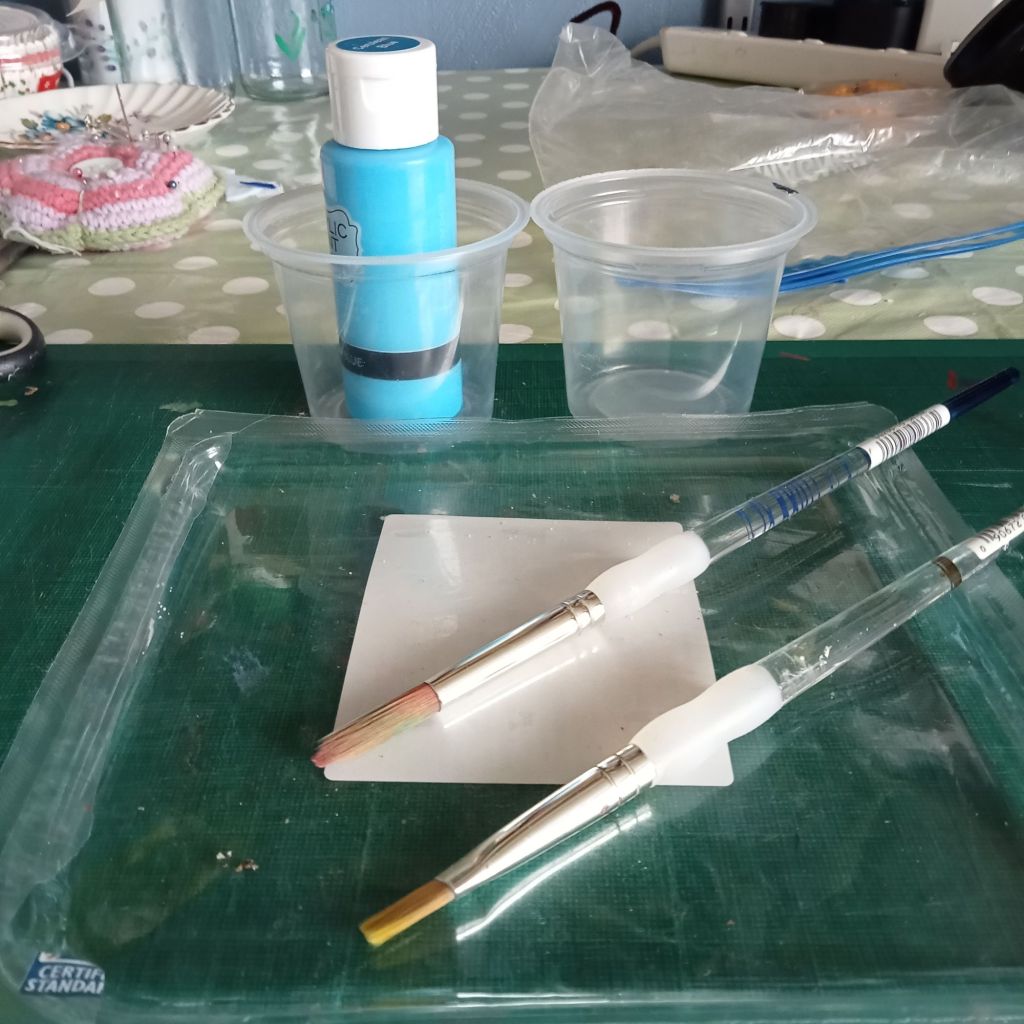
Plastic packaging is used for everything these days. I use the flat plastic trays from deli meats are great for using as paint palettes, any project needing clear flat plastic, making widows in cards and even for etching and printmaking. The plastic cartons that butcher meats come in, that are ridged are great for use in the garden as seed trays, as are yoghurt pots. Just add drainage holes. Yoghurt pots are also great for paint , glue, water anything you need to put in a container.
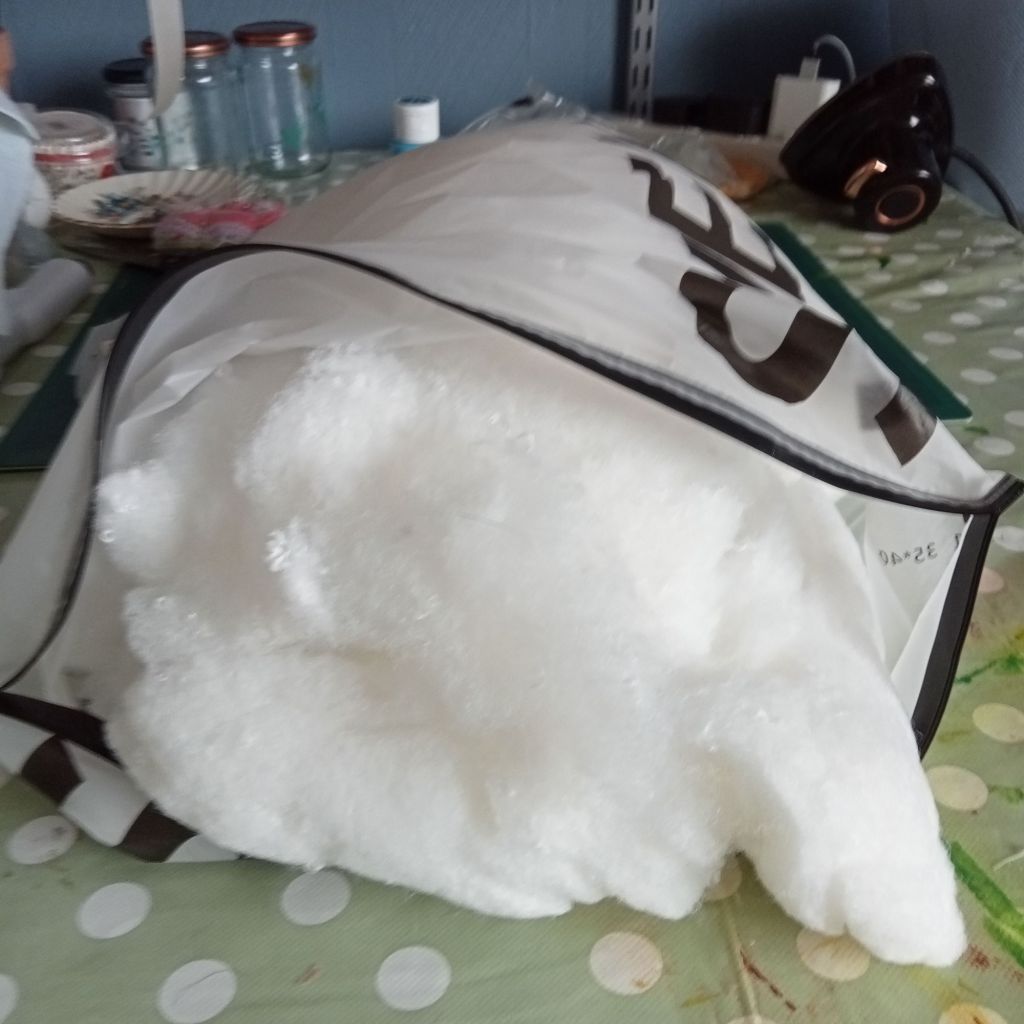
If you make toys, don’t buy expensive stuffing. The stuffing from old pillows and cushions if perfect for this. just wash the item and cut it open. if it has got little compacted, often the reason you replace it, then pull it apart and fluff it up a little.
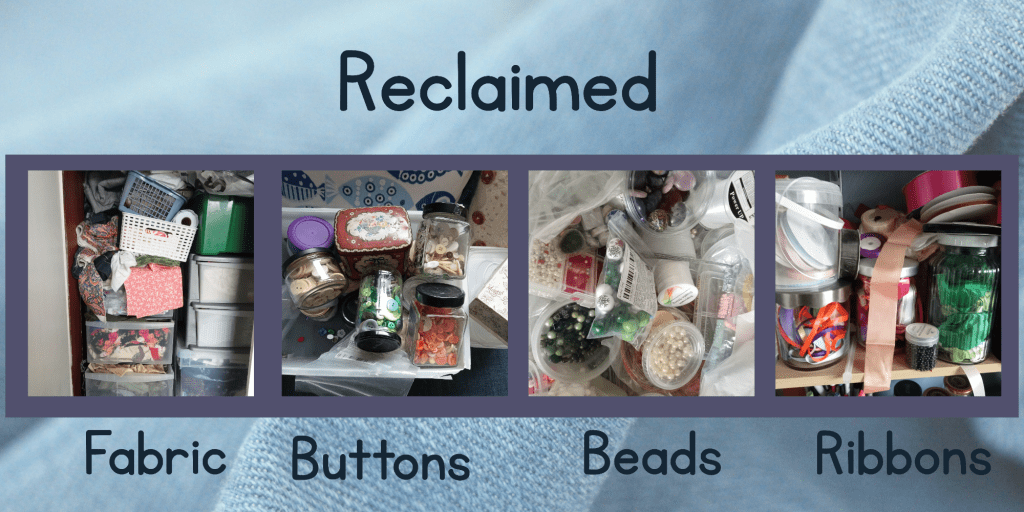
Old clothing is not only a great source of fabric, but also buttons, ribbons, zips, all sorts of haberdashery items. As well as taking apart any clothing you no longer wear, try charity shops for fabric. An occasion dress can be a great source of silks and sparkles, cotton summer clothes great for prints and plaids from men’s shirts.
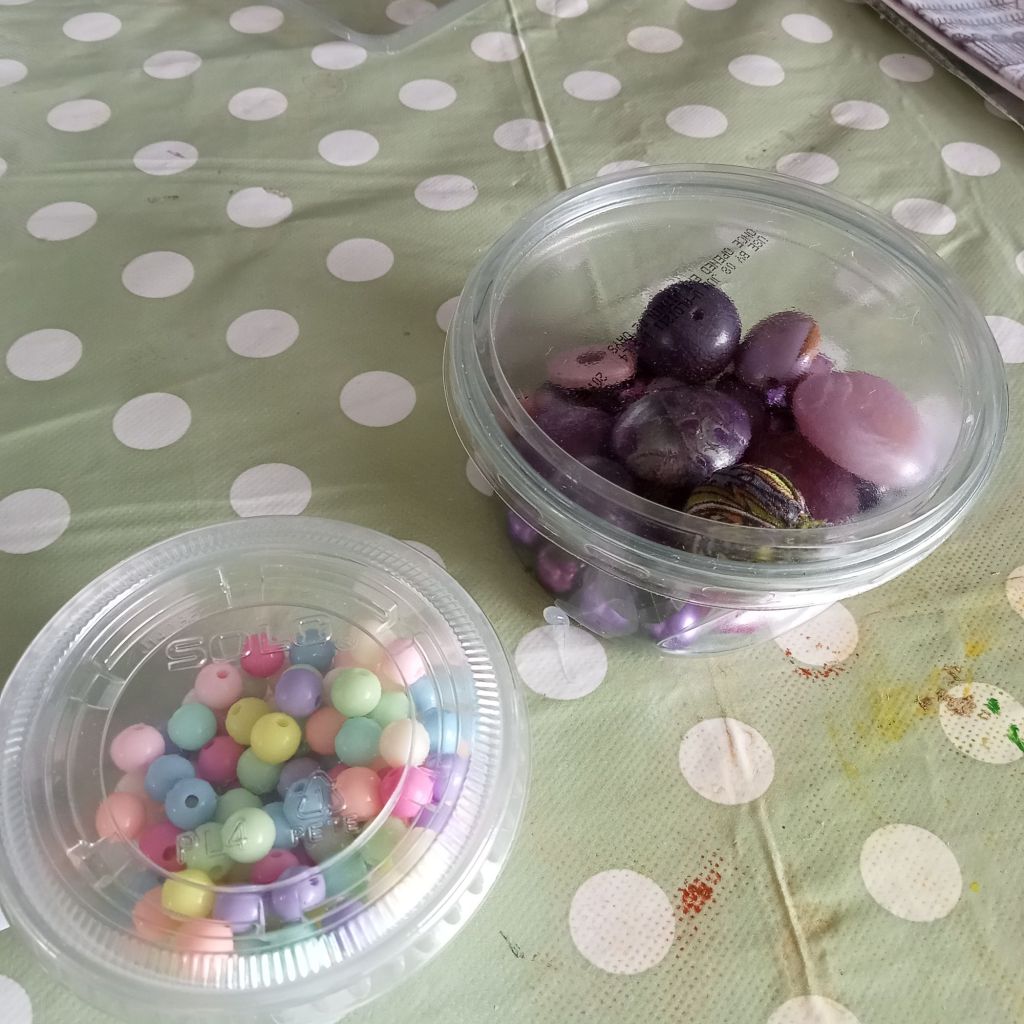
I buy costume jewellery from charity shops and car boots and reuse the beads. It’s much cheaper than buying new. You can also reuse the glass and chains for jewellery making.
All of these little tips will not only save you money, but will help save the planet.
-
Galentines day
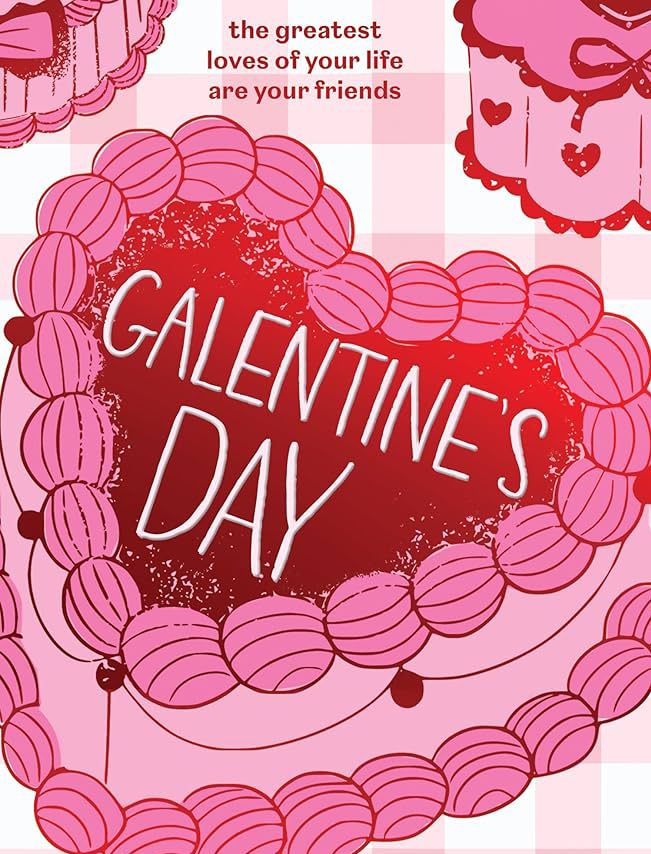
I’m not a big fan of all the hype that surrounds Valentine’s Day. My mum was a florist, so Valentines was a big business day for her but even then I was aware of the enormous hike in prices in the week leading up to it. As a teen, all that angst about not getting a card was devastating and how much more must it be now with everything magnified through the lens of social media. Those who are older and single, whether they never found their partner, or are divorced or widowed can also feel the strain of pretending everything is ok.
I am a big fan of Galentines Day, and the male equivalent whatever it is, get together with your friend and celebrate other forms of love. Maternal love, sibling love, friendship and, most importantly, self love, can be more steadfast than romantic love.
Why not celebrate Galentines Day by getting together with a group of friends and enjoying a craft session to celebrate love in all its forms.
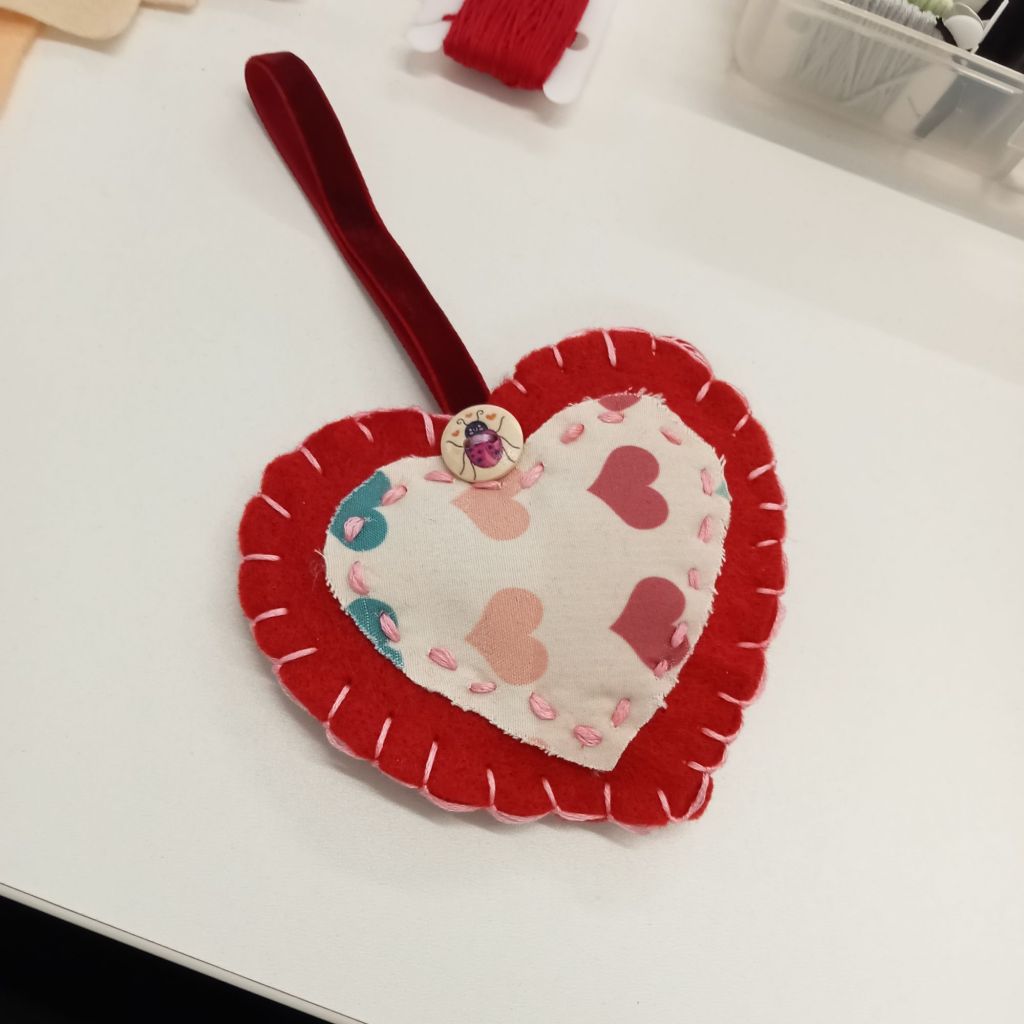
How about making yourself, or a friend, a scented heart sachet. I demonstrated this on the Virtual Village Hall this week and you can view my session here.
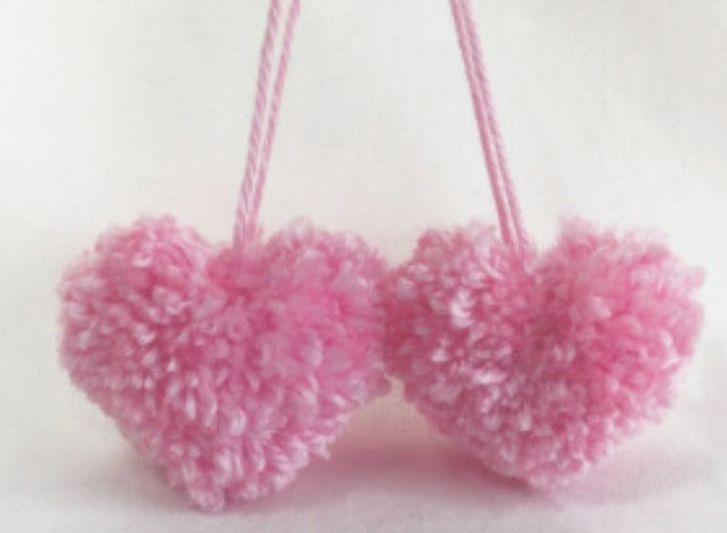
Another quick craft are these cute heart shaped pompoms, also great for using up your scraps of yarn. check it out here
However you decide to celebrate, enjoy yourself, you deserve it.
-
Craft trends in 2026
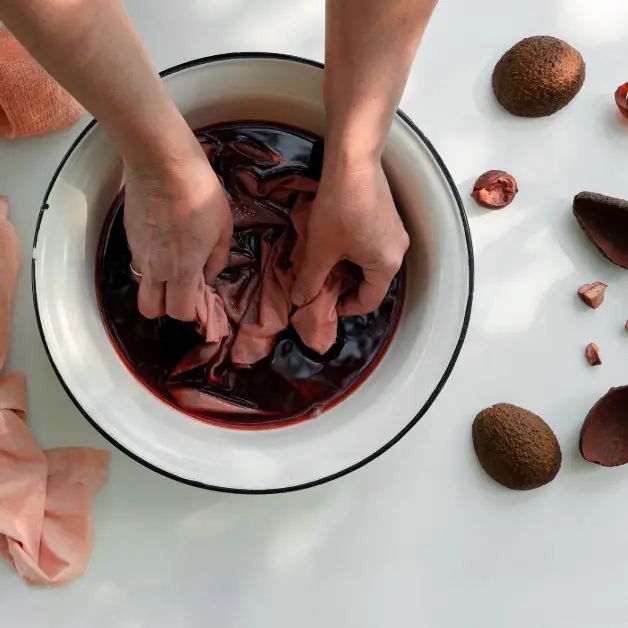
2026 brings a blend of sustainability, tactile creativity and a renewed love for handmade detail. Makers and crafters are fed up of seeing AI generated content that looks nothing like the real article.
Sustainability continues to be a leading trend but 2026 brings a more refined approach. Crafters are choosing sustainable products such as recycled metals, plant‑dyed fabrics and biodegradable embellishments over ready made new items, whilst still retaining a quality feel.
Project idea: hand dyed fabrics to make napkins.
Fragrance crafts
Candle making has expanded into a wider world of home fragrance. Reed diffusers, wax melts, simmer‑pot blends and essential‑oil room sprays are all popular. Makers are experimenting with botanicals, seasonal scents and personalised blends.
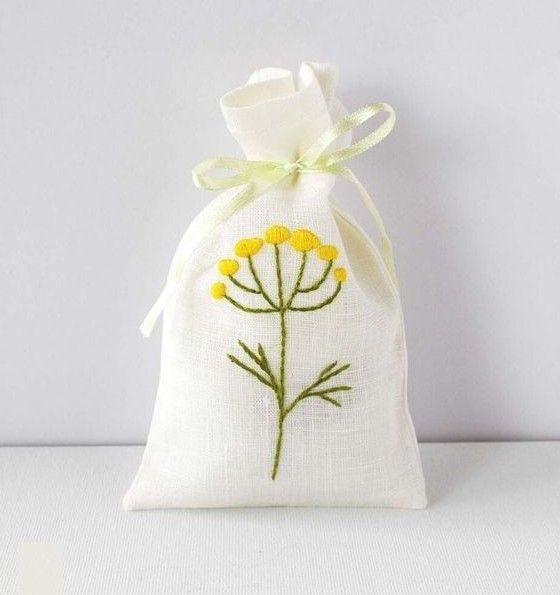
Project idea: Make a embroidered sachet with dried lavender and rose petals to hang in your wardrobe.
Textured Fibre Art
Texture will be everywhere in 2026, oversized tufting, chunky macramé, layered weaving and mixed‑media fibre canvases.
Get started: Combine weaving with embroidery or punch needle to create a multi‑dimensional wall hanging.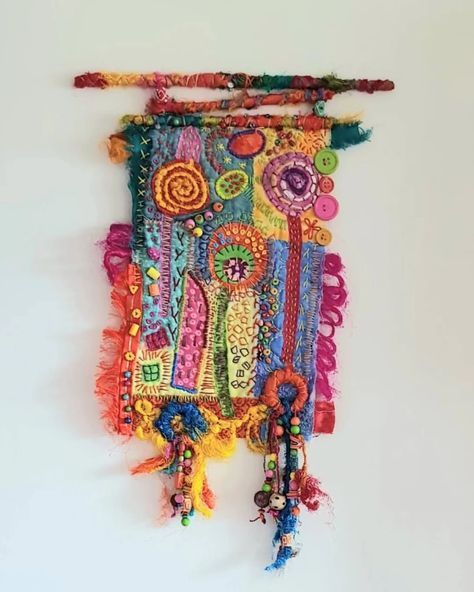
Miniature worlds
Miniatures continue their rise in popularity. Tiny polymer‑clay food, dollhouse furniture, fairy‑garden accessories and micro‑embroidery are all thriving. Their charm lies in their detail, collectability and shareability.
Fun make: Craft a miniature bookshelf scene using balsa wood, air‑dry clay and scrap fabrics.Slow stitching and mindful making
There is a strong return to slow, meditative crafts. Sashiko, visible mending, long‑form cross stitch and hand quilting are all gaining momentum. These crafts offer calm, focus and a sense of connection to the materials.
Simple start: Try visible mending on a favourite pair of jeans using sashiko thread and geometric patterns.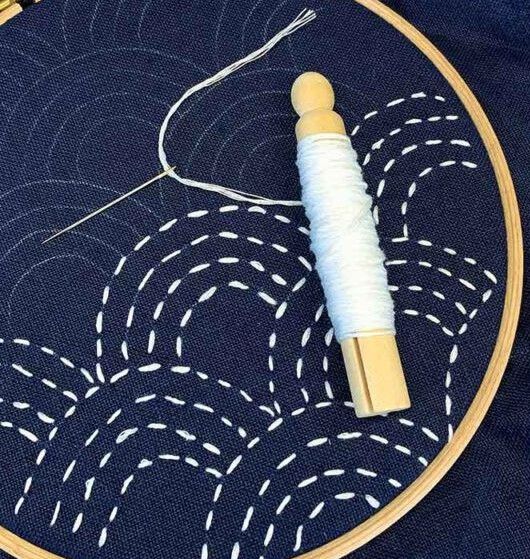
Community Crafting
Crafting together is becoming more important than ever. Online workshops, local craft circles and skill‑swap events are thriving as makers look for connection, encouragement and shared learning.
Get involved: Host a small craft‑and‑chat evening with friends or your online community.Whatever trend you decide to follow, enjoy your crsftingnin 2026
-
New Year, New Projects

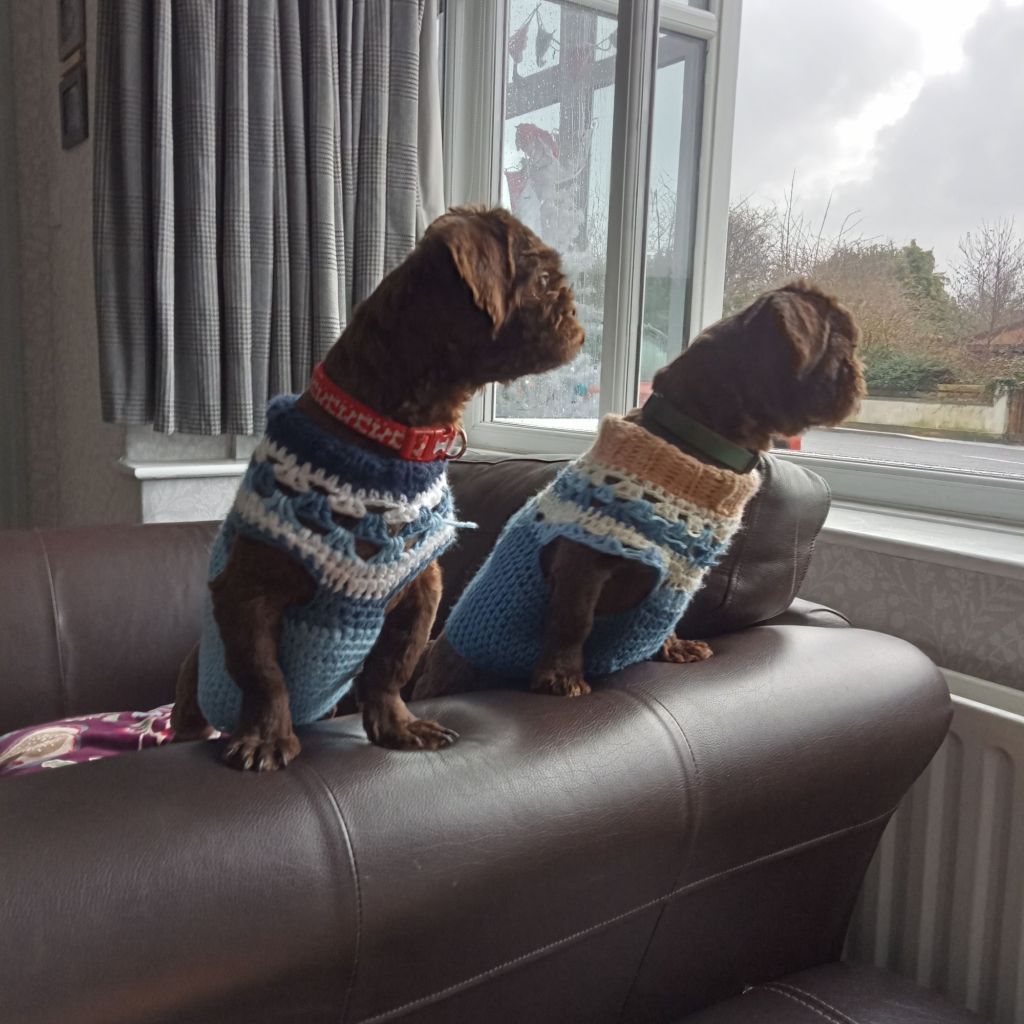
We got a present for the new year, 2 lovely Shih Tzu boys! Back in November, we applied to be a foster home for Shih Tzu Action Rescue, a northern based group that rehomes and rescues Shih Tzu’s. Just after Christmas we got the call, could we take 2 boys in the New Year and here they are, Fergus in the white harness and Finley in the red.
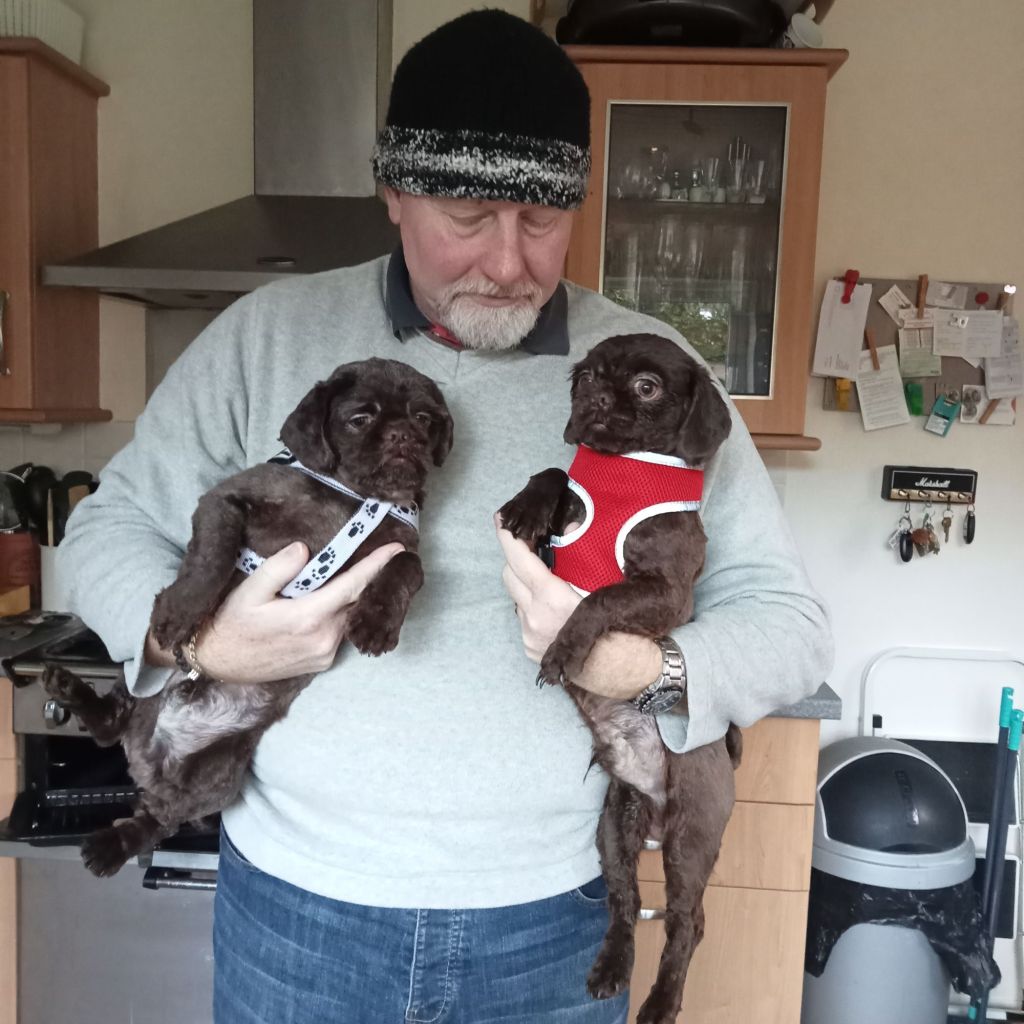
As you can see, the first thing they had to have a groom really short to get rid of mats. So, what does a crafty foster mama do? Starts crocheting dog jumpers.
I have made them for our previous Shih Tzu but these two are much smaller, so nothing fits them. They now have several snazzy designs to keep out the cold, especially in the cold snap we’ve just had.
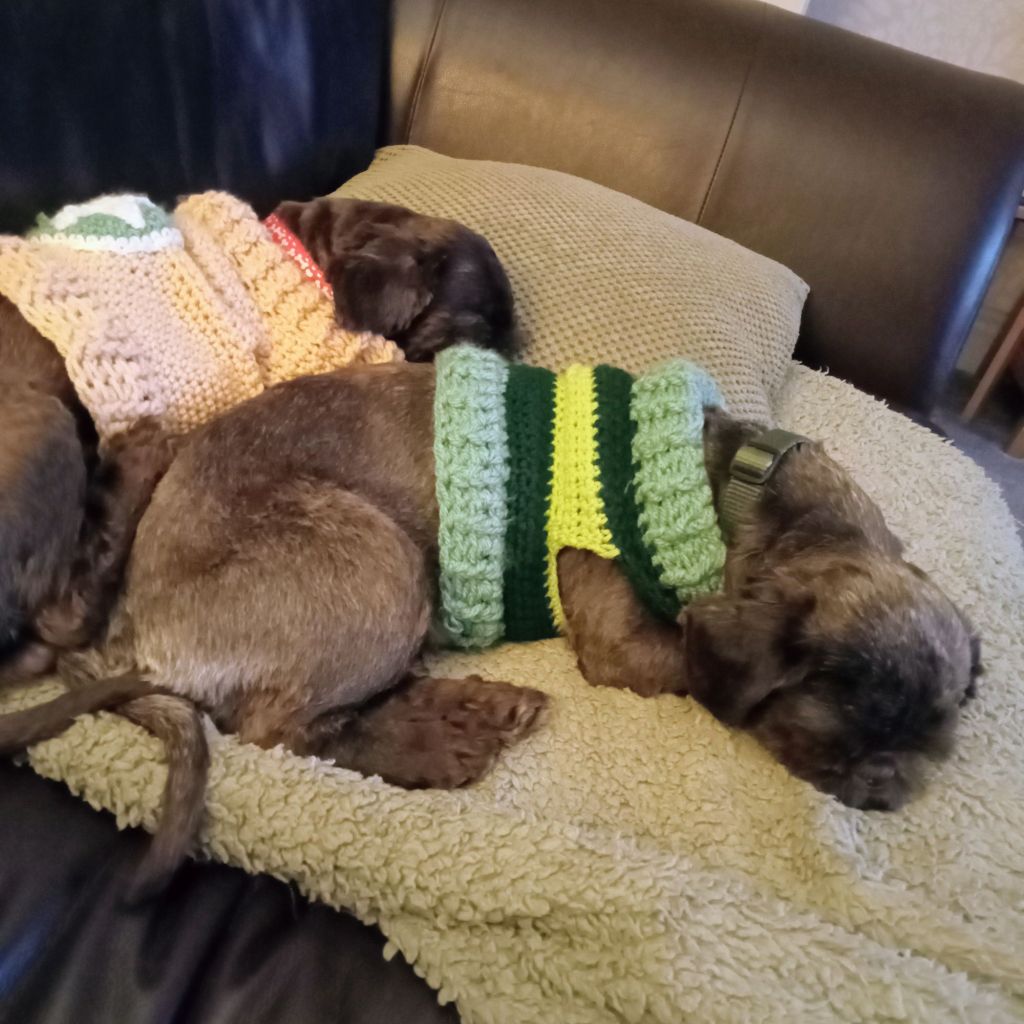
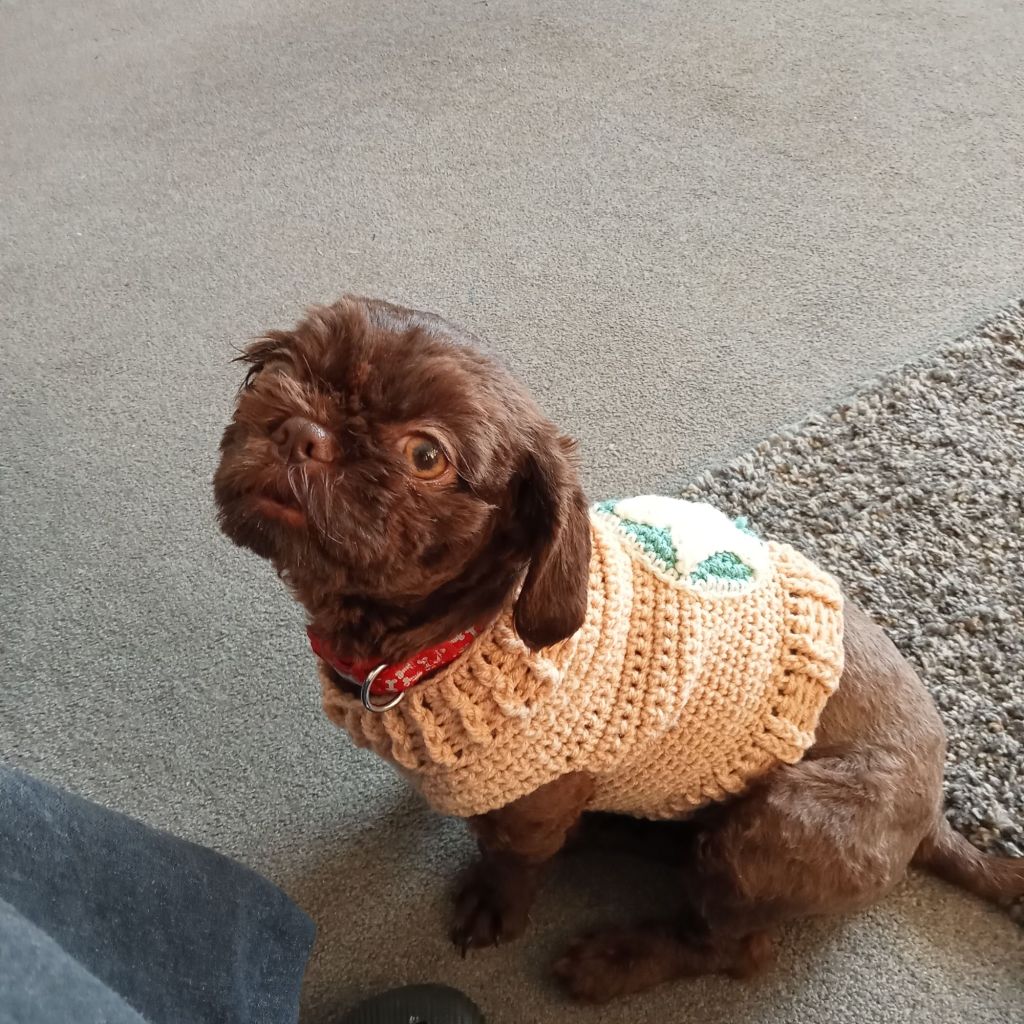
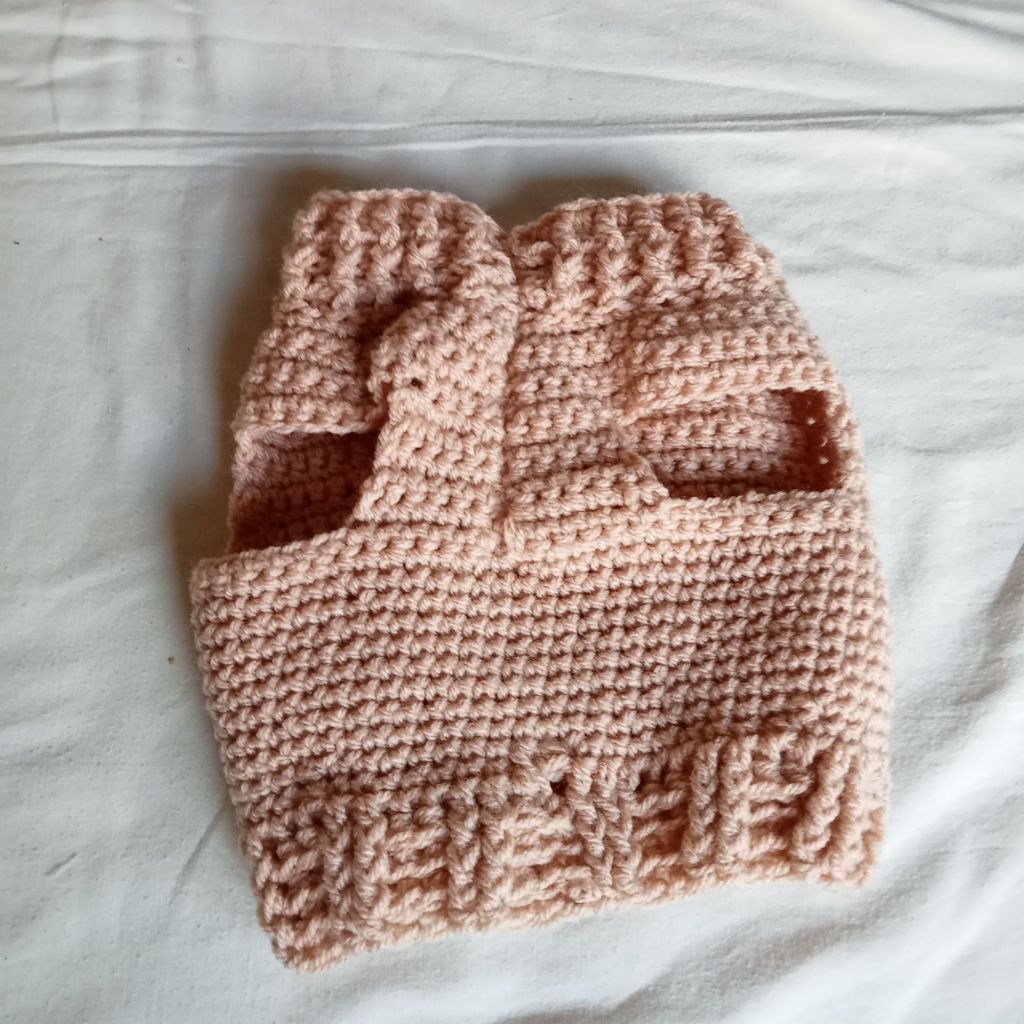
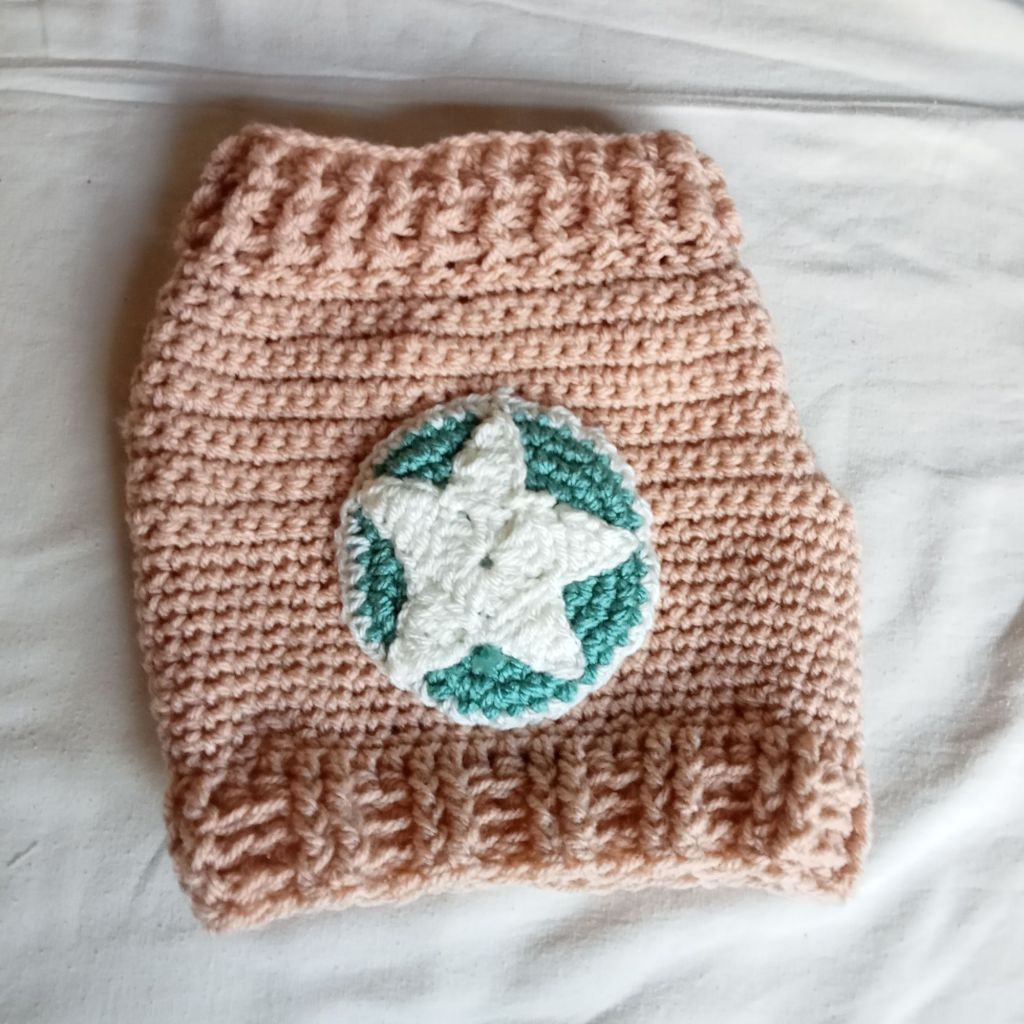
I’m offering this design with the star, modelled here by Finley, as a fundraiser for STAR. These are for sale, made to order, for £15, and £10 will go to STAR. Postage will be £2.99.
If you would like to order one, email me on whatkatemade@aol.com.
-
Dying arts
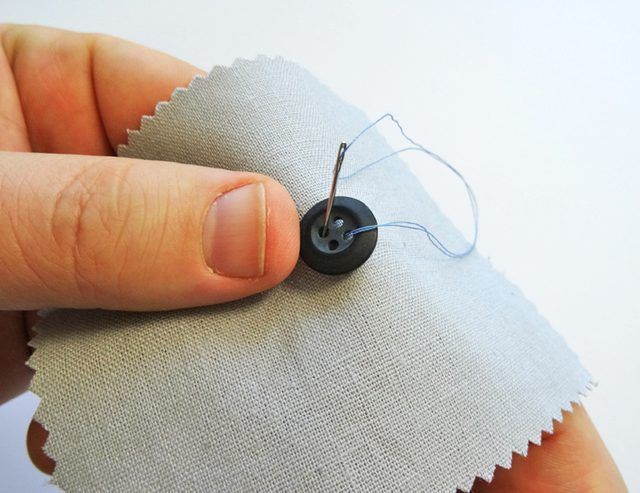
It used to be a common sight to see parents, grandparents, and even children in every household regularly pick up a sewing kit to sew on a button and meticulously darn their own clothes. But these skills are a dying Art
It seems despite a growing interest in sustainability, fewer people are able to fix or make their own clothes with needlework falling out of daily use.
It may also come as a surprise to learn that only 16% of a surveys participants are proficient knitters. This comes despite 2025 having seen a boom in celebrities such as Gigi Hadid and Tom Daley publicly sharing their love of this relaxing and productive skill.
Despite a rise in interest in ‘slow fashion’, the skills needed to make or repair your clothing are no longer taught to young people on a regular basis, with only those willing to seek out lessons are learning these skills.As someone who runs workshops in various handcrafting skills, I find this quite surprising. My courses are always full, but I suppose if you want to learn, you seek out classes.
One of the things I’m passionate about is not wasting materials. As a crocheter, I try to use up every bit of yarn. Any piece to small to be useful,I keep for stuffing, along with scraps of fabric.
You can be creative about using your yarn scaps. Try these ideas:
Conquering the Leftovers:
We’ve all been there – our project is complete, but now we have a basket overflowing with colorful yarn scraps. These beauties are perfect for creating all sorts of small projects such as amigurumi or hats. You may need to get creative in the way you combine your yarns, but that’s all part of the fun!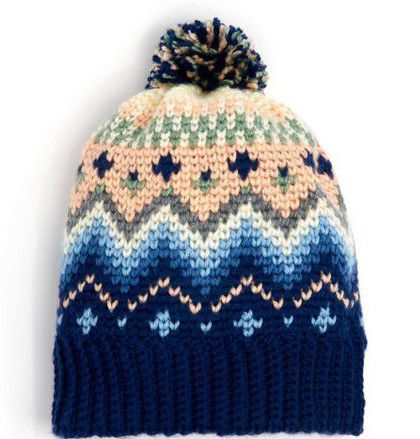
Patching Up Perfection:
A small snag doesn’t have to spell doom. Crochet patches are both a fun and functional way to extend the life of your favourite garments and reduce landfill waste. Choose contrasting or complementary colours to create a unique design element.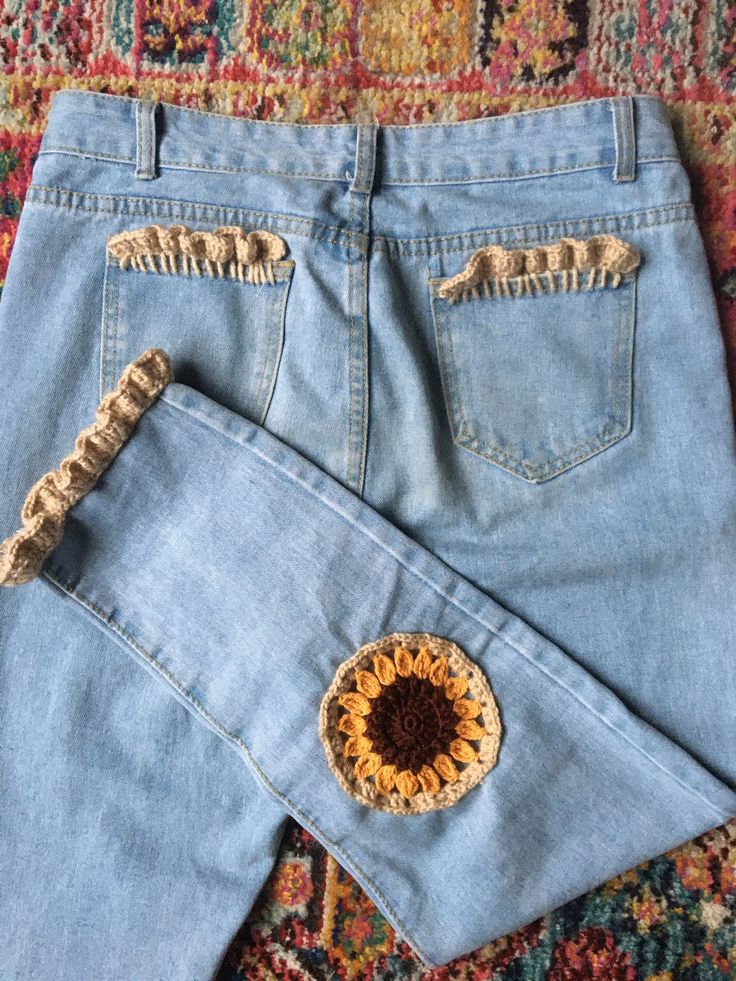
Visible Mending Magic:
Embrace the current trend of visible mending! Instead of trying to hide your repair, use contrasting yarn to mend tears in a bold and artistic way. Darning can be done in several colours to create a woven patch. Crocheted applique patches brighten up a garment as well as hiding a tear. More subtle patches can be made using delicate doilies.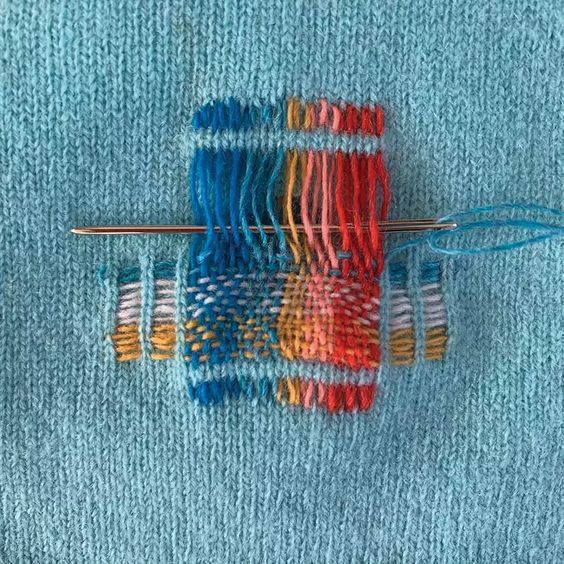
From Scraps to Spectacular:
Tiny yarn ends don’t have to gather dust either; you can turn them into a vibrant scrappy blanket! I have a ball winder and make scrap cakes, joining in all the scraps as I wind. I group my yarns by weight and colour to avoid clashes. These scrap cakes are ideally suited to patterns that work in stripes, like C2C.Learning these basic skills can enhance your wardrobe, saving you money and perhaps rescuing and reviving an old favourite piece of clothing. So, embrace make do and mend and enjoy slow fashion.
-
Take one doily…
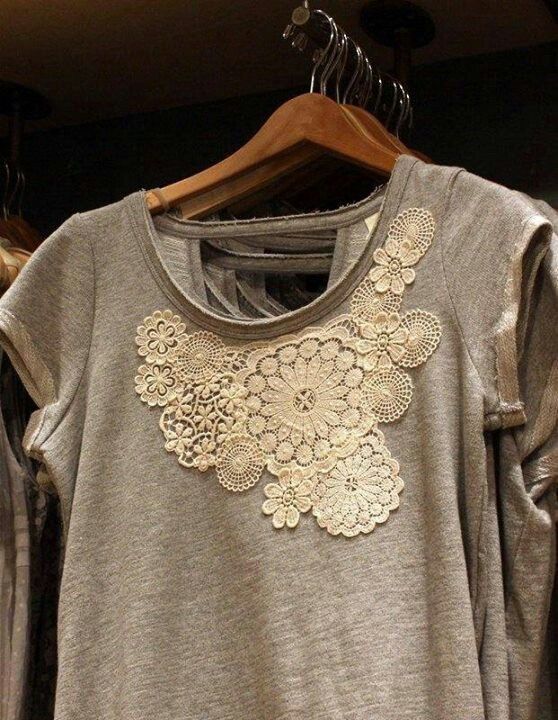
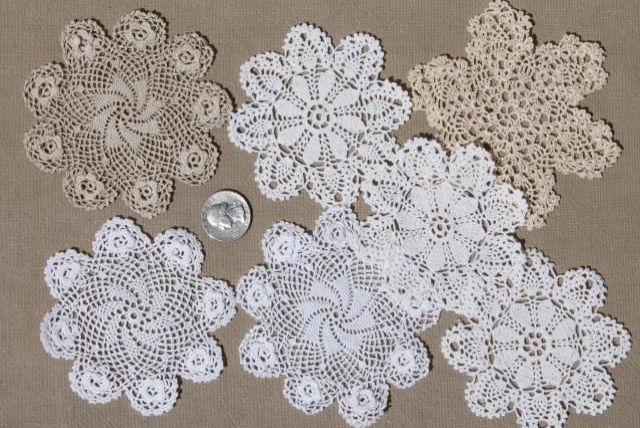
I’ve always loved vintage crochet doilies. From early memories of them on my Nana’s sideboard in the front parlour, to trawling car boots and junk shops and I’ve built up quite a collection.
Although, I love them, they are not really my style of decor, but I use them in lots of other ways. They can be added to bags, cushions, even used to embellish a t-shirt or skirt, ideal for covering a stain or damage.
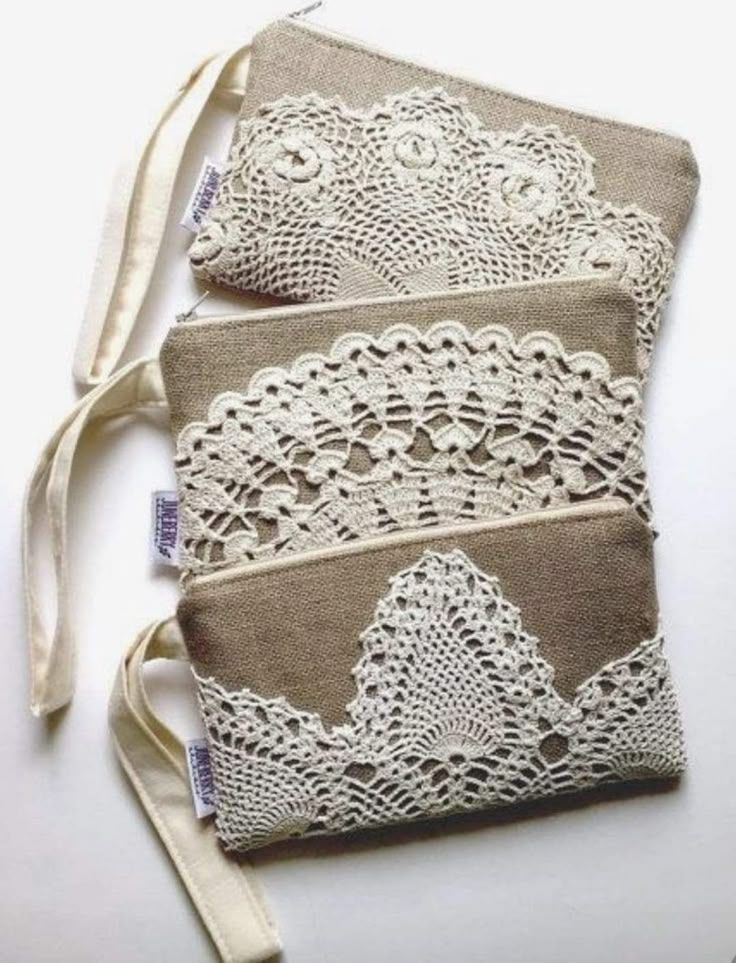
I’ve used the ones that are damaged or stained to create print blocks for ink, paint or even to make an impression on clay. Tiny pieces like flower motifs can even be added to acrylic resin pieces.
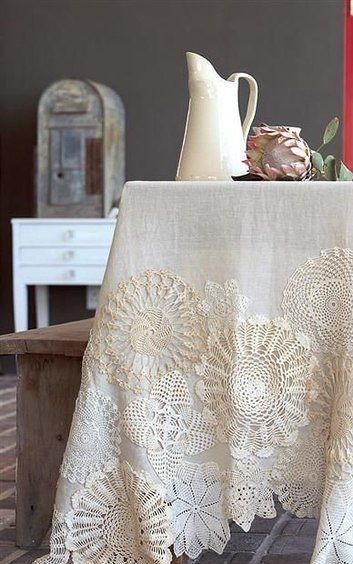
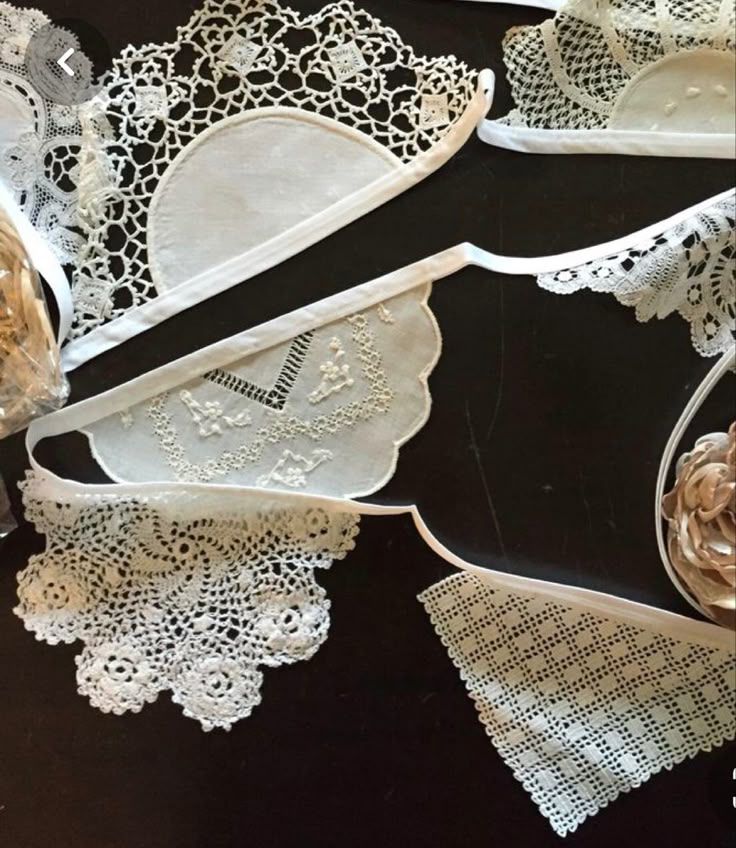
Even better if you can repurpose some fabric as well. I’ve used napkins bought at charity shops and used them to make a bag and adding a doily to decorate.
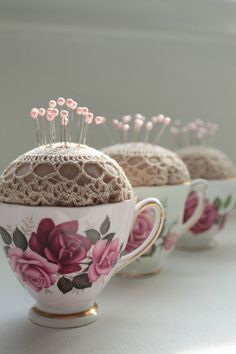
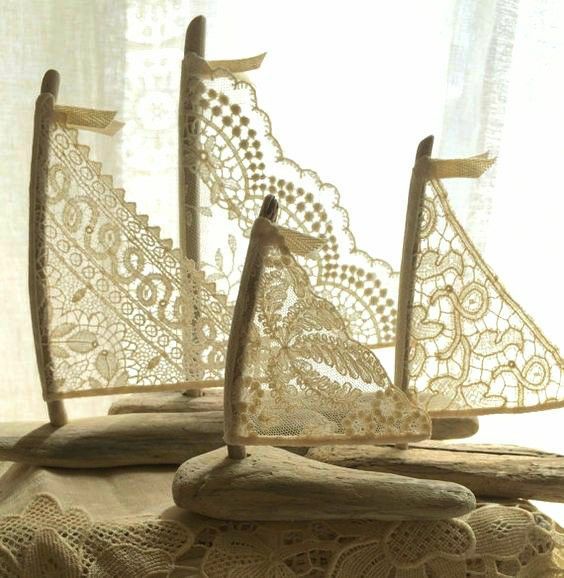
If you can’t source vintage doilies, and you are a competent crocheter, then make your own. They don’t have to be made with a tiny hook and fine cotton, the patterns look great made with 4 ply or even DK in vibrant modern colours. Just be aware they will come out much bigger.
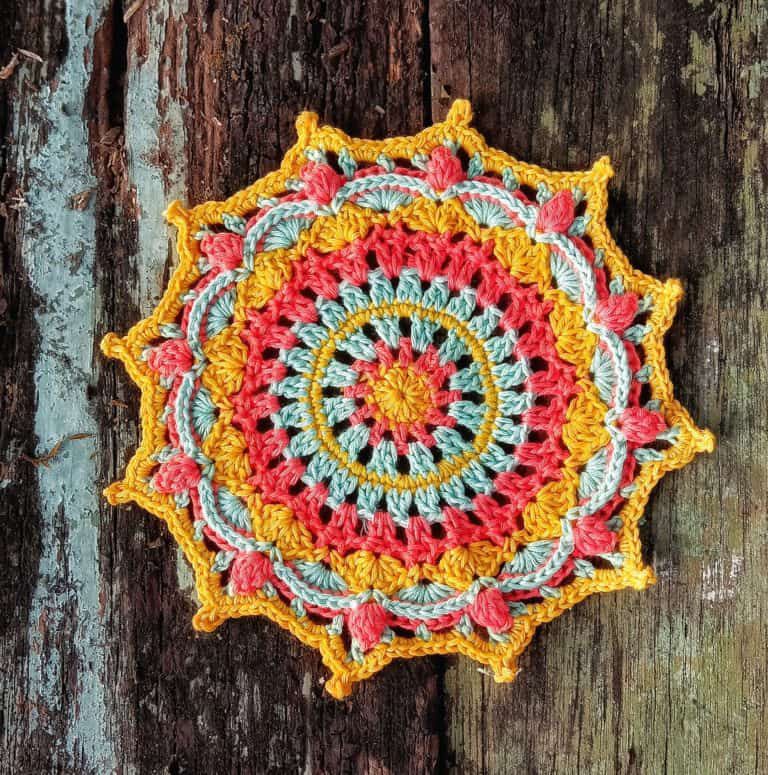
Whether you make your own or scavenge the car boots, you will have a unique piece of clothing, decor or accessory.
-
How crochet can help you maintain a positive mental attitude.
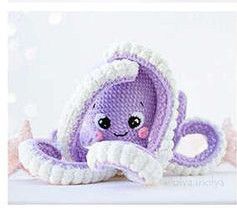
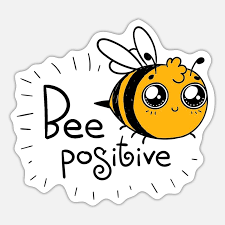
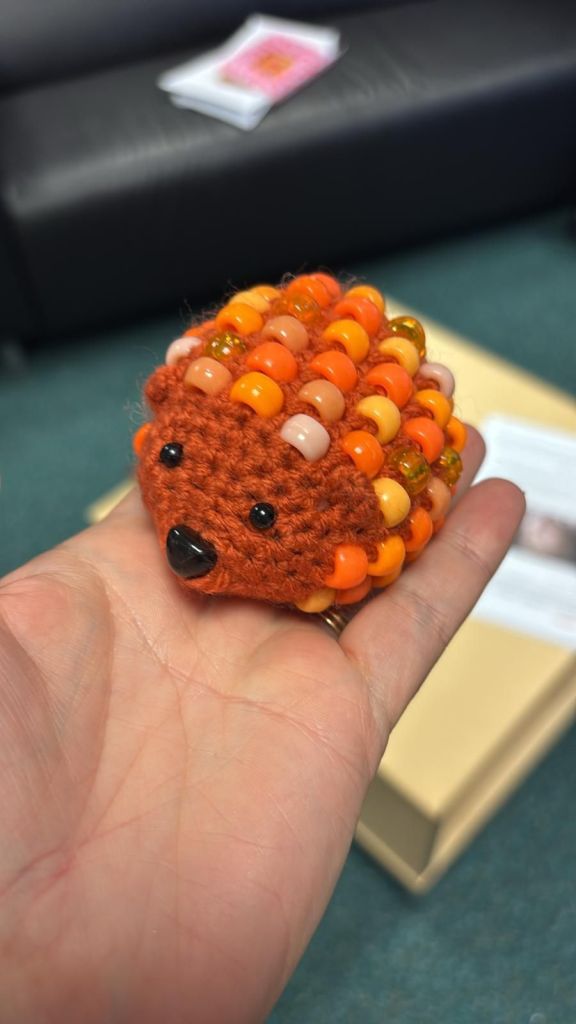
Crochet fidget and emotional support toys are everywhere this year. From beaded hedgehogs to Bee positive toys, patterns abound.
Fidget toys are small, handheld objects designed to help with focus, stress relief, and sensory regulation. They are particularly helpful for individuals with ADHD, anxiety, and autism, but can be beneficial for anyone needing to manage nervous energy or improve concentration.
Emotional support toys, like stuffed animals, offer comfort and security, helping individuals, both children and adults, manage stress, anxiety, and emotional challenges. They can be particularly helpful during times of change, trauma, or when experiencing feelings of loneliness or isolation.
My Crochet Crew, who create postbox toppers for our village, also make emotional support toys. We have made worry worms in the past and more recently little bees with a ‘bee positive ‘ message. These are left around our village for people, young and older, to find and take home. We leave them out at times when we think people will need them, like a school change for children or family times for people who are on their own.
Fidget toys have grown in popularity as a means of managing stress and anxiety. The comfort of having something physical to focus your attention on has a calming effect. For many years now, twiddle muffs have helped dementia sufferers and people have used worry beads for centuries.
If you are looking to use your crochet skills in a more thoughtful and supportive way, then try some of these ideas.
Engaging designs, including colorful octopuses and plush popcorn, invite tactile interaction and promote stress relief through playful creativity.
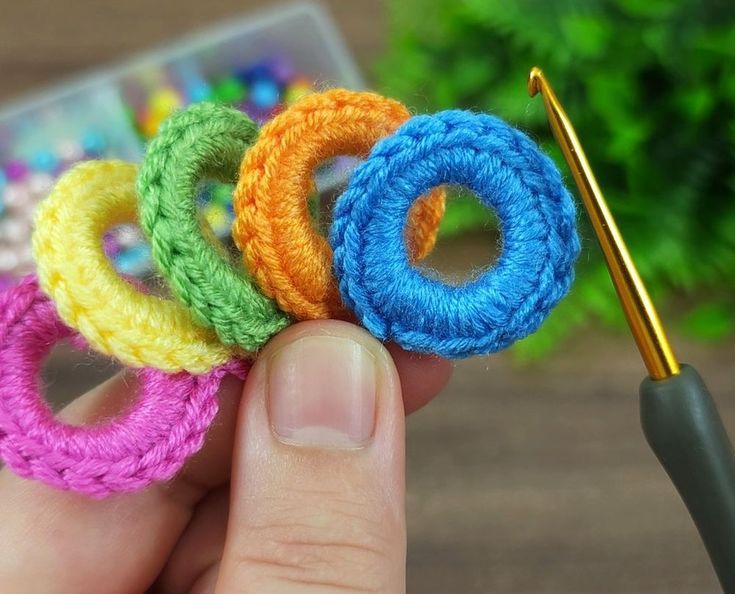
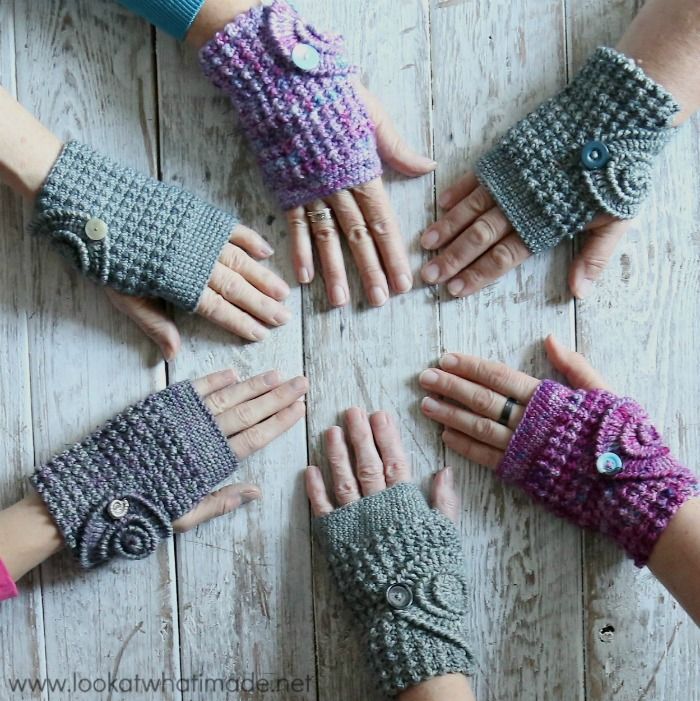
Functional crochet accessories like fingerless gloves and textured rings enhance personal style while providing fidgeting options for relaxation
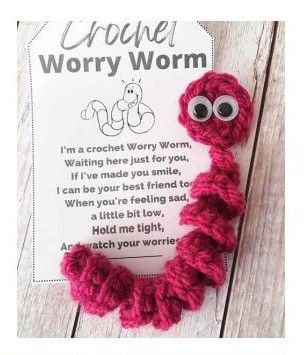
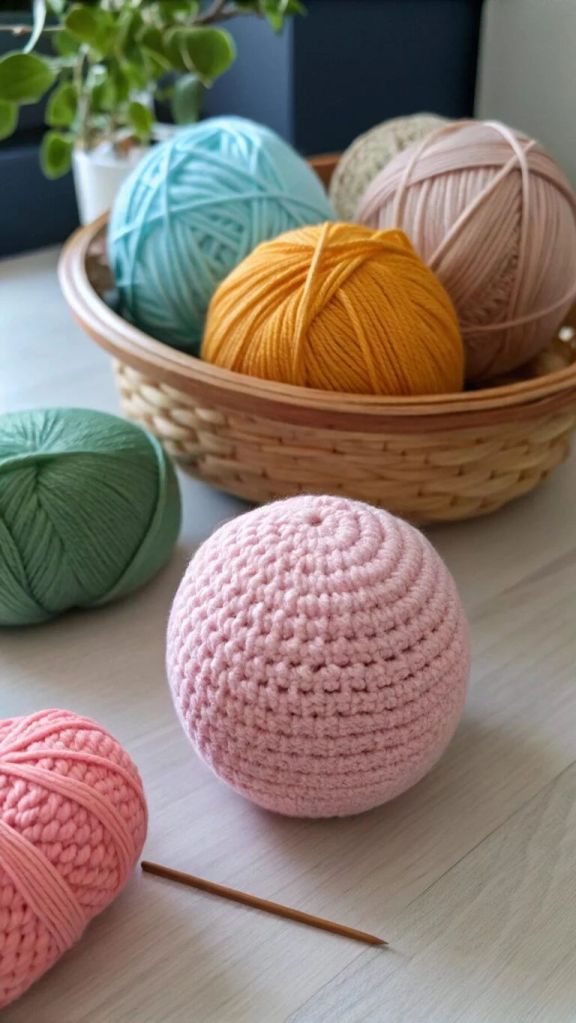
Classic crochet fidget toys like stress balls and worry worms effectively reduce anxiety and enhance focus through tactile engagement.
Customizable crochet projects like yarn balls and multi-color twists allow for personal expression while offering calming fidget benefits.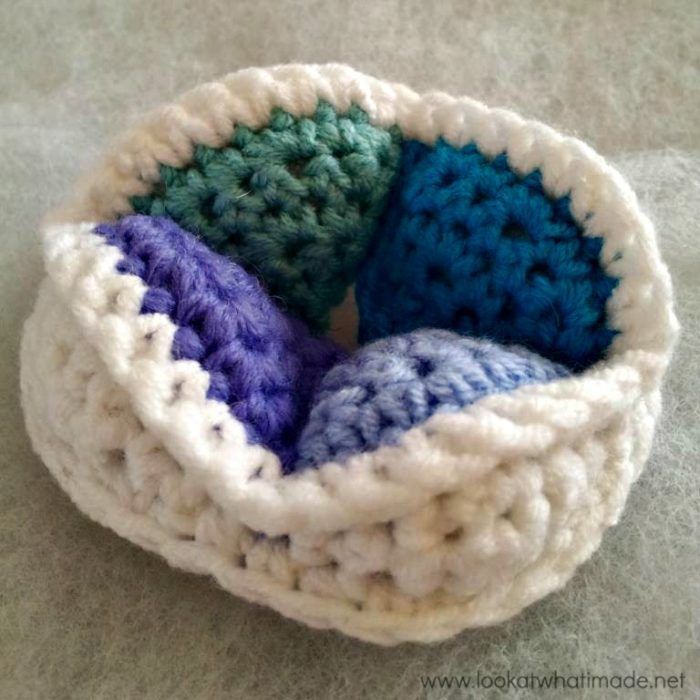
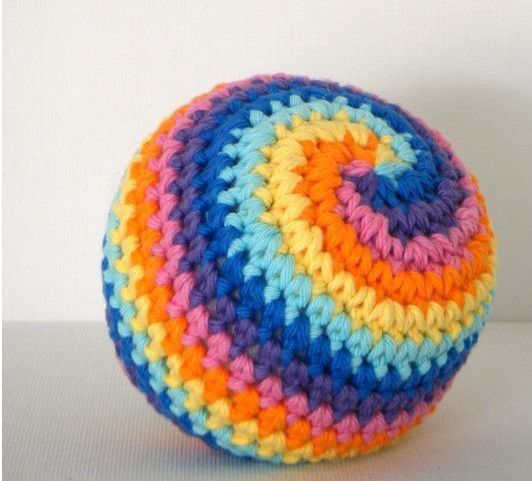
Even making their own crochet toy can help a person. The feeling and texture of the project as it grows and the need to focus your attention, effectively blocking out ambient noise and distractions, help calm and soothe.
Whether you are making the project yourself, or supporting someone else to make it, both of you will benefit from an uplift in mental wellbeing.
-
Why are Gen Z so keen on crochet?
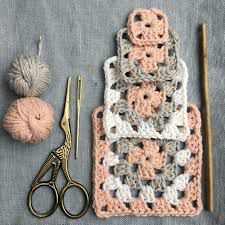
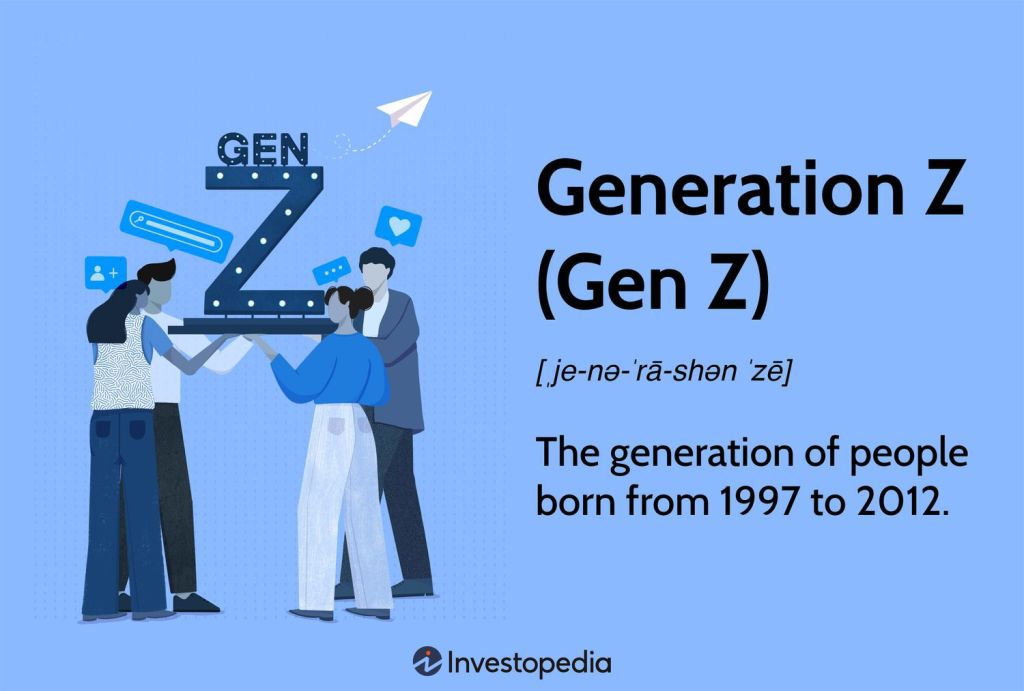
When you read or hear the word ‘crochet’, your first thought may be of your grandma, or perhaps a scene from a Jane Austen novel. For me, crocheting means self-expression and hours of fun. Crochet has always received plenty of love from a wide range of people, but during the Coronavirus pandemic, it has had a sort of renaissance, especially amongst the young women of Generation Z. Now I am far away from being Gen Z (who are defined as mid 90’s to 2010) but I appreciate it for the same reasons.
Crochet started trending because it has the same pull and attraction as thrifting does, which is also incredibly trendy amongst Generation Z. Making your own clothes is a form of sustainable slow fashion. Despite whether you use ethically sourced yarn or not, you are at least in some way avoiding the endless cycle of waste that is synonymous with the fast fashion industry. Additionally, the crochet boom can be linked to the resurgence of 70s fashion trends that we have seen over the past few years in the form of platform boots and flared pants.
The pandemic saw a resurgence in multiple household skills and activities such as baking, knitting, embroidery and cross-stitching, but the one that has seen the most growth in the wider world is crochet, today a whole new generation is discovering and using crochet as an embellishment of their identity. And frankly, it is very trendy.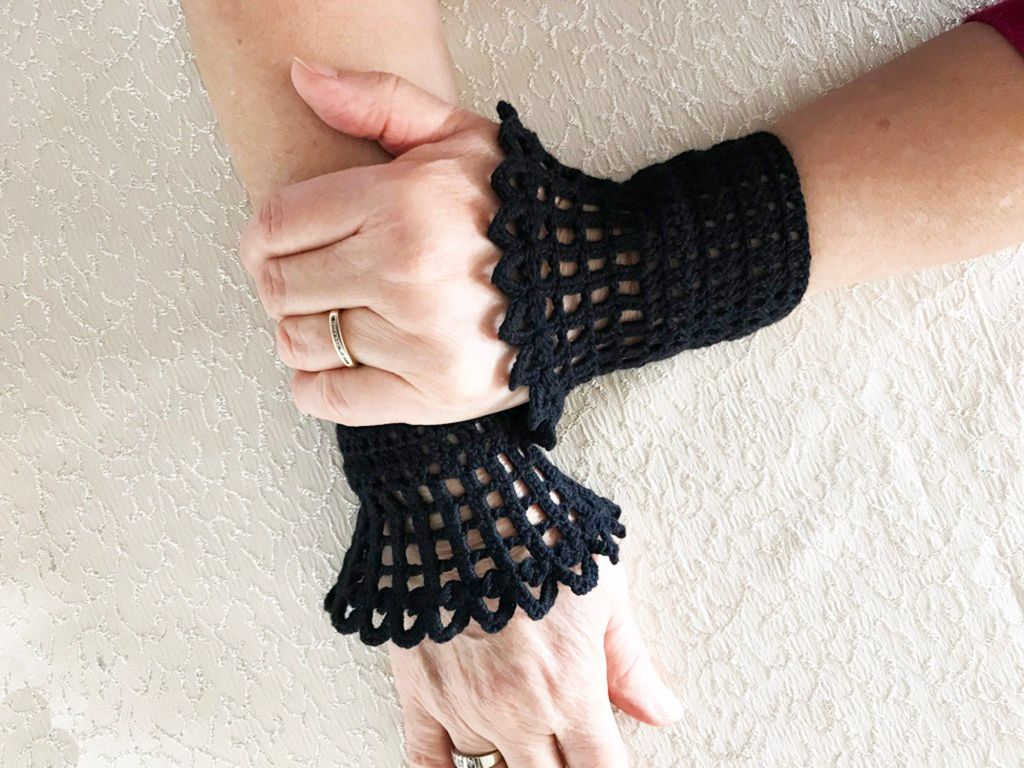
My crochet journey started way before Gen Z were even twinkles. In fact, I was taught in the 70’s by my Nana’s who all crocheted, knitted and sewed as a matter of necessity. I started with granny square blankets, still my go to pattern. I lapsed in my punk teenage years, then took it up again when I was pregnant. Again blankets and baby clothes. In my most recent and longest lasting crochet period I have developed my own patterns. I’ve a passion for traditional patterns and different forms of fibre craft, from granny square to Nalbinding.
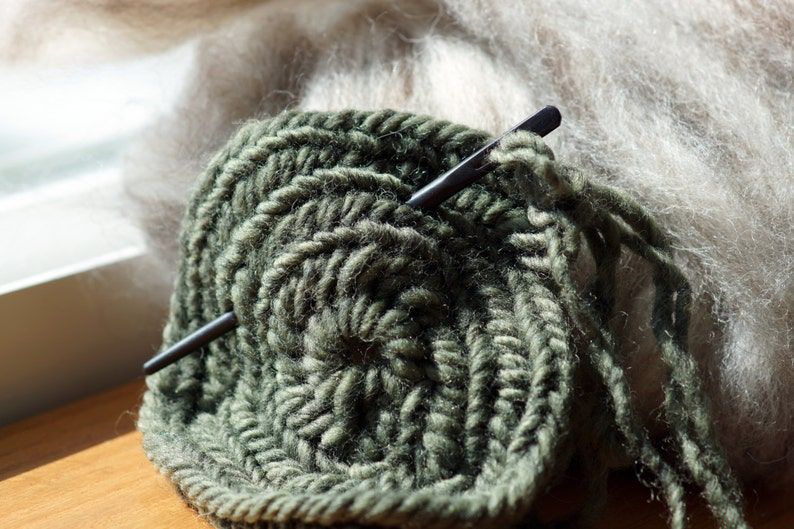
Learning to crochet is so much more accessible now thanks to YouTube and TikTok. But, a word of caution, especially for the UK crocheter. I learnt my skills before the Internet or even video was invented, entirely from printed patterns.
The outcome of these viral videos can be seen on Depop a fashion marketplace platform. Depop enables users to sell and purchase clothing items, often second-hand or hand-made to create a more sustainable shopping experience. Depop functions on a peer-to-peer basis, meaning anyone can post their items for sale. As such, there is a wide range of crocheted items available which sell for increasingly higher prices, especially if they contain some of the viral crochet TikTok creations such as the Taylor Swift Dress or Hexicardigan.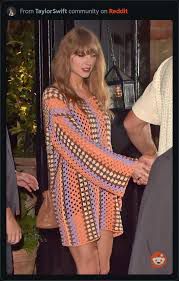
I am so happy crochet is ‘in’. If anything, learning to crochet has provided me with an outlet for my stress and anxiety during difficult times and has taught me a little more about resilience. Not to mention that there is honestly nothing better than saying “Oh this, well I made it myself”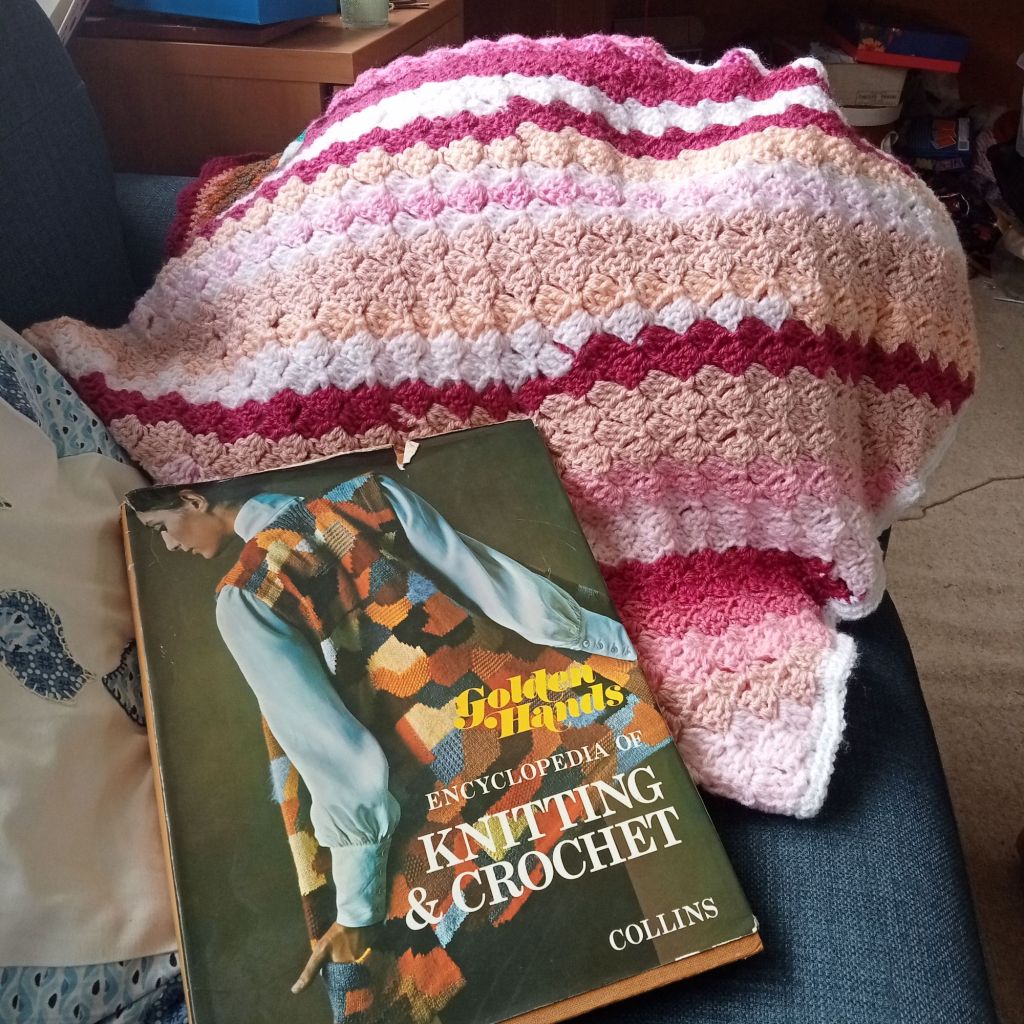
-
Trending Technique – Filet Crochet
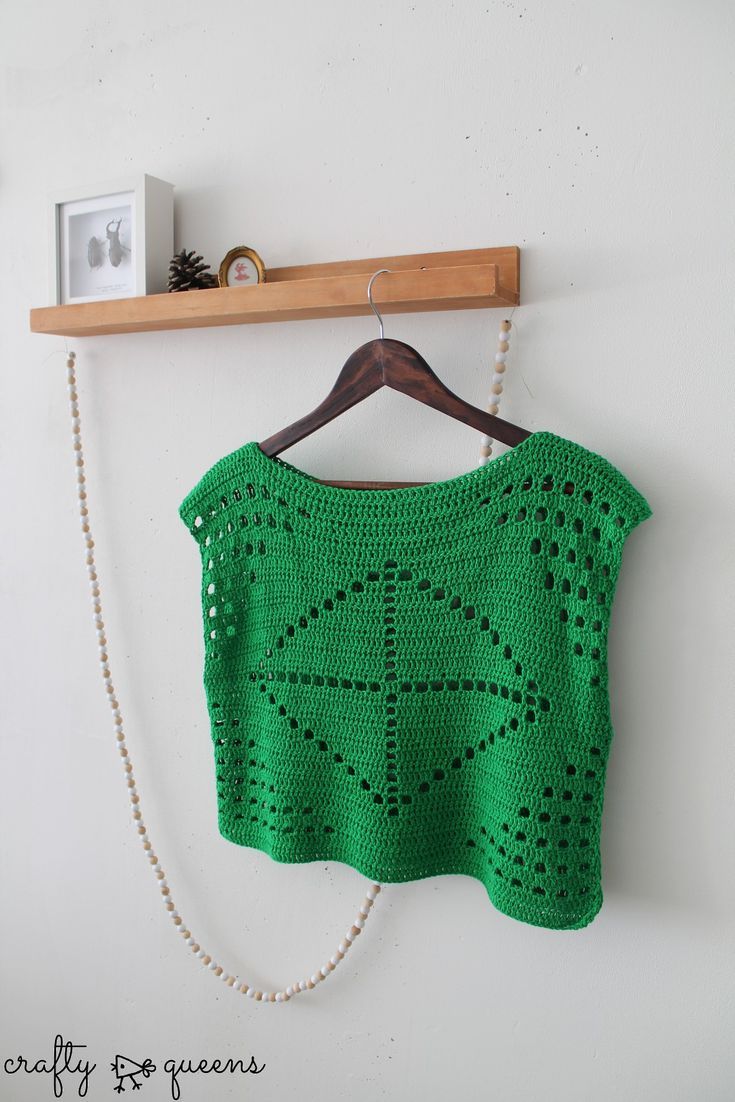
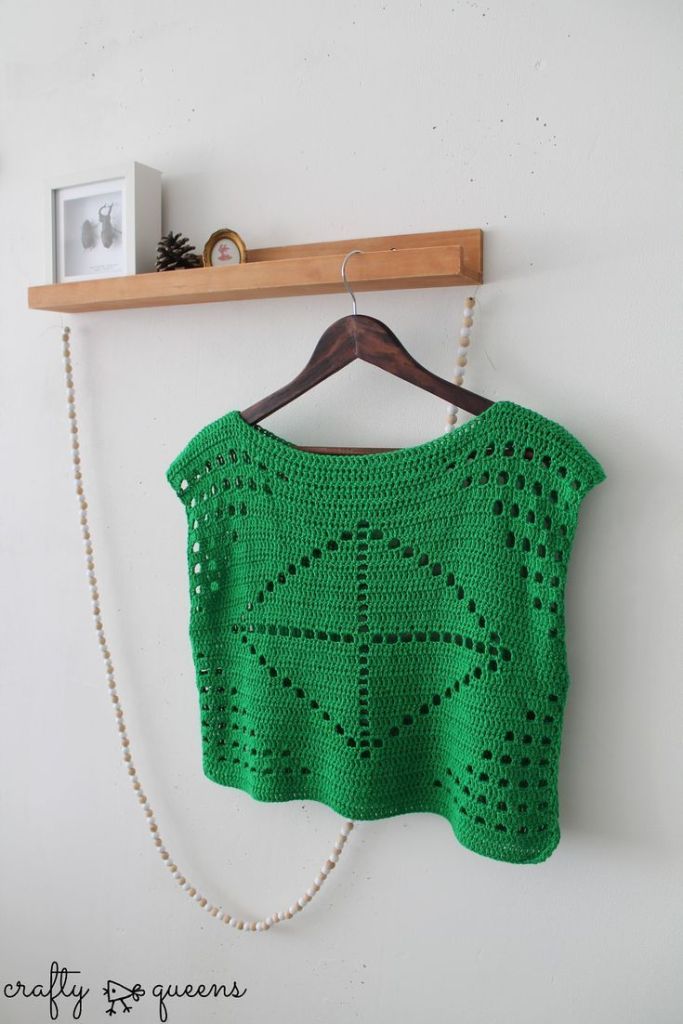
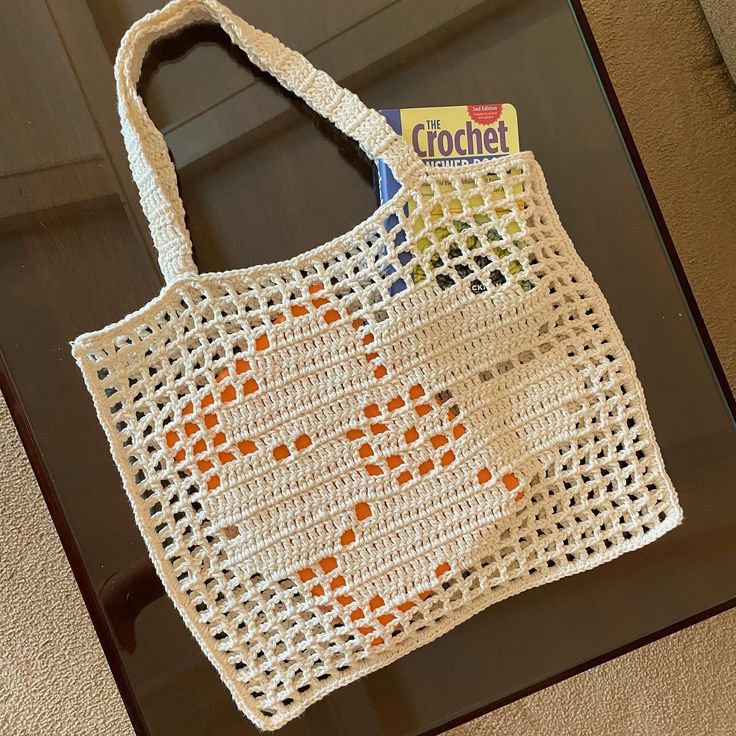
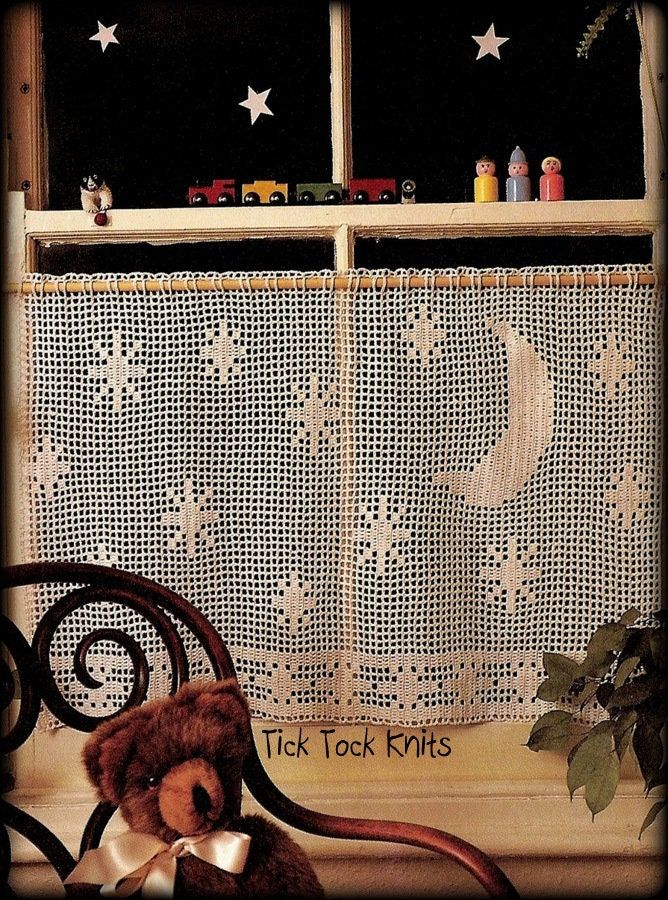
Filet crochet is making a major comeback in the fashion world! From high-end runway collections to modern handmade pieces, this delicate and structured crochet technique is everywhere, proving that this classic craft is now a must-have trend. Whether you’re creating a breezy summer top, bag or an elegant home décor piece, filet crochet offers a structured yet artistic way to bring patterns to life.
Filet is a crochet technique that combines trebles and chain in solid blocks and spaces to create a light and airy pattern. You can incorporate solids shapes like heart or flower, surrounded by a light mesh or repeating patterns of smaller motifs. Its great for decorative shawls, for garments, accessories almost anything you can think of.
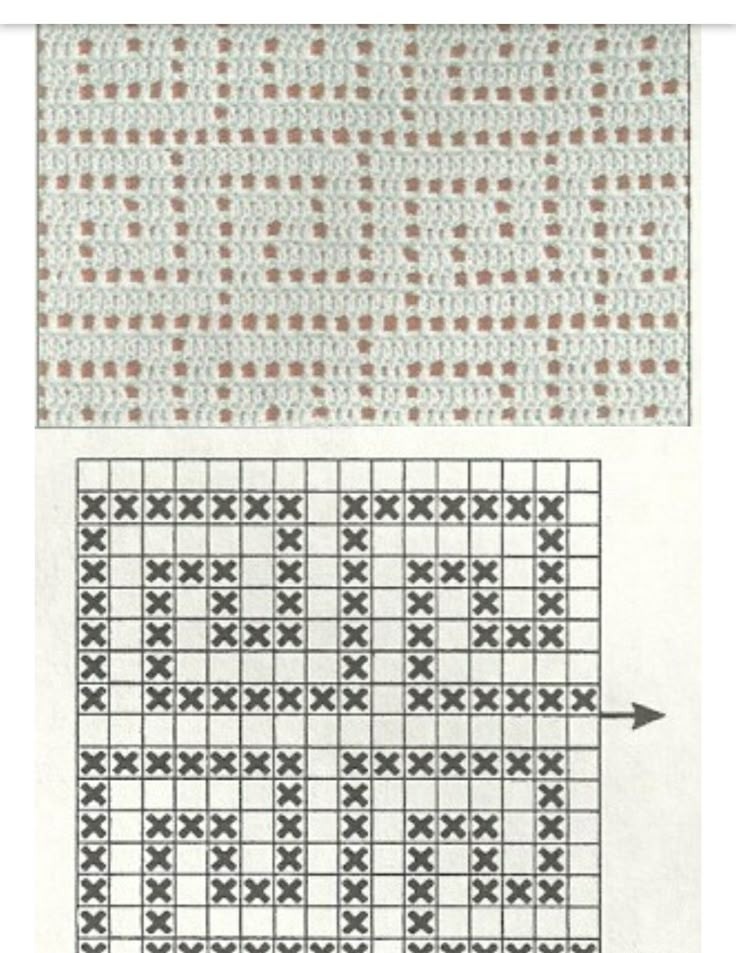
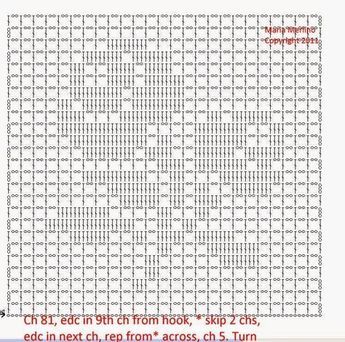
As to patterns, Filet is traditionally worked from a grid or chart like this. The filled blocks on the chart are groups of three trebles and the empty block are spaces made by working three chain. It is worked in rows from the bottom up.
Filet can be worked in a number of different yarns, although a smooth yarn is preferable, such as cottons.
Whatever you choose to make with filet crochet, you can be sure it will be admired wherever you go.
Confessions of a crafty butterfly
 What Kate Made Today